
Phê Vé
May 15, 2026 • 6 min read
Explore 12 remarkable structures built in some of the most perilous places on the planet and discover why these communities continue to thrive.
Introduction to Dangerous Locations
Humans have an incredible knack for finding the most unsuitable places and deciding to build there. From volcanic slopes to crumbling cliffs and islands barely above sea level, these locations are prime examples. History shows that we have never let lurking geological disasters deter us from establishing a good port or a favorable trade route. This list highlights not just abandoned ruins or ghost towns; these are vibrant communities with grocery stores, schools, and residents who thrive despite the odds.
1. Venice, Italy
Venice is built on 118 small islands, constructed on wooden piles driven into the mud of the lagoon by those who found solid ground unappealing. The city sinks about two millimeters each year. The new MOSE flood barrier system has been operational since 2020, after a 17-year construction period costing a staggering 8 billion euros—an enormous investment to keep the floating city above water. Nevertheless, the capital of romance frequently faces high tides (Acqua alta) that flood its streets.
Residents here own rubber boots like others own umbrellas, but nobody complains! They continue to enjoy risotto and coexist with this reality. Each year, five million tourists visit Venice, all finding it utterly romantic, especially when leaving on a Sunday.
2. Kivalina, USA
Kivalina, located off the northwest coast of Alaska, is home to about 400 Iñupiat people. However, it is disappearing due to climate change. Sea ice that once protected the shore during storms is no longer reliably forming, and erosion is slowly claiming land each year. The estimated cost to relocate the entire village is around 400 million dollars, but the federal government has yet to provide funding.
The nearest road is over a hundred miles away, and the only way in or out is by air. This community remains because they have lived here for generations, and leaving requires money that no one can earn.
3. Coober Pedy, Australia
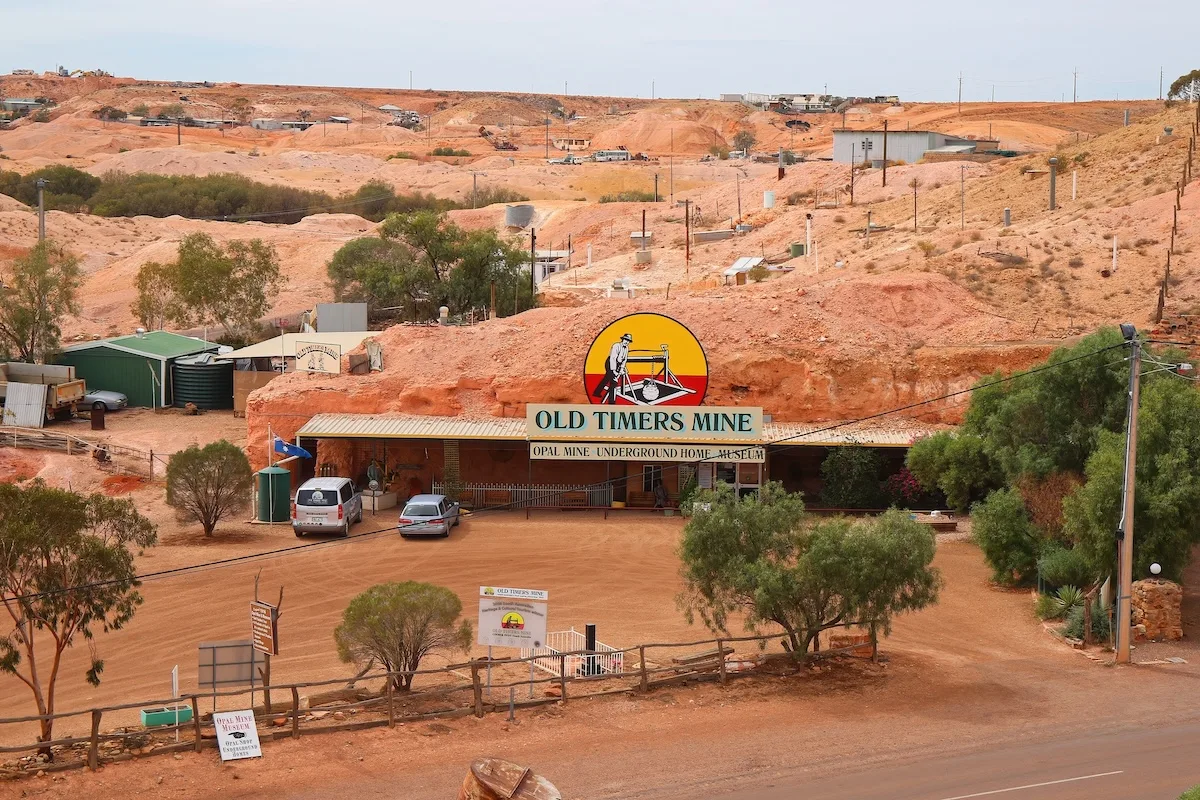
Located in South Australia’s Outback, Coober Pedy often experiences summer temperatures exceeding 50 degrees Celsius. However, the town has chosen to live underground. About half of Coober Pedy's residents live in caves dug into the hillside, where temperatures remain stable year-round without air conditioning. Here, you'll find hotels, churches, and at least one underground bar, where people can escape the heat.
The town produces about 70% of the world's opal supply, explaining why residents endure living conditions that most communities couldn't survive for a week.
4. Yungay, Peru
In May 1970, an earthquake triggered a massive landslide from Huascarán, Peru's highest mountain, sending 80 million cubic meters of ice, rock, and mud cascading down at about 200 miles per hour. In just three minutes, the entire town of Yungay was buried, and around 70,000 people lost their lives. Only four palm trees and a cemetery remain on the higher ground.
Today, this site has become a memorial park, and a new Yungay has been built nearby, home to about 20,000 residents, thanks to the fertile agricultural land in the valley.
5. Malé, Maldives
Malé, the capital of the Maldives, is overcrowded with about 130,000 residents crammed into just two square kilometers of land in the Indian Ocean, making it one of the most densely populated cities in the world. With an average elevation of only 1.5 meters above sea level, there is little safety margin. The government has built sea walls around Malé and created an artificial island named Hulhumalé to provide residents with slightly higher ground.
✈️ Tìm chuyến bay giá tốt
Đặt vé ngay với giá ưu đãi từ các hãng hàng không
Climate forecasts indicate that this area will face severe flooding this century. The government has purchased land in Sri Lanka and Australia as a contingency plan, which can be seen as part of a long-term responsible planning approach.
6. Civita di Bagnoregio, Italy
Civita di Bagnoregio is connected to the rest of Italy by a 300-meter pedestrian bridge. This town sits on a plateau of volcanic tuff, and earthquakes, rain, and time have continuously eroded the surrounding cliffs. About ten people live here full-time, but up to a million tourists visit each year.
This ratio is significant enough to pose serious challenges for the local community. Residents often refer to it as "la città che muore" (the dying city). It has been declining for centuries, raising reasonable questions about its geological demise.
7. Kagoshima, Japan
Kagoshima is a city with 600,000 residents located by Sakurajima Bay, an active volcano that erupts hundreds of times a year. Residents must always be prepared and monitor ash forecasts like one would follow the weather. Vehicles often have a thick layer of ash coating them on clear days.
Kagoshima boasts excellent cuisine, good transportation links, and one of the most well-prepared civil emergency response systems in Japan.
8. Santorini, Greece
The stunning beauty of Santorini, with its whitewashed villages and harbors hugging the cliffs, has graced travel magazines for four decades. All of this is precariously perched on the rim of a volcanic caldera. The eruption that formed it around 1600 BC is considered one of the largest events in human history.
About 15,000 people live here year-round, alongside two million annual tourists. While the white buildings in Oia and Fira cling to the caldera's edge, the geology of the area warrants careful investigation before booking your flights.
9. Jakarta, Indonesia
Jakarta is sinking faster than any other major city in the world, with some northern areas dropping over two meters in the past decade. This is primarily due to excessive groundwater extraction from an inadequate piping system.
Approximately 40% of the city is now below sea level. Engineers describe the current coastal defense system as inadequate, a term that people read with alarm. Indonesia has announced plans to relocate its capital to a new city named Nusantara in Borneo.
10. Longyearbyen, Svalbard
Longyearbyen, located at 78 degrees North latitude, is the northernmost permanent settlement in the world, home to about 2,500 people. There are more polar bears here than humans, and local law requires carrying weapons when leaving the city. The permafrost beneath the town's infrastructure is melting, causing buildings to shift and roads to sink as the ground slowly loses its stability.
Useful Information for Vietnamese Travelers
If you're eager to explore these locations, prepare thoroughly for your journey. For countries like Italy and Japan, you'll need to apply for a Schengen visa and a Japanese visa. Flights from Vietnam to Rome or Tokyo can range from 10 to 15 million VND, depending on when you book.
Be sure to check the exchange rates between the Vietnamese Dong, Euro, and Japanese Yen if you plan to spend or transact while there. The peak tourist season in many of these countries typically falls in the summer, so plan ahead to secure the best accommodations and airfare.
Finally, always check for weather updates and potential natural disasters in the areas you intend to visit to ensure a safe trip.
Article referenced and edited from: Touropia
Phê Vé
Phê Vé is a leading online flight booking platform in Vietnam, providing accurate and up-to-date travel information. We are committed to delivering wonderful travel experiences with the best prices on the market.