
Phê Vé
April 15, 2026 • 3 min read
Discover the safety of street food in Vietnam and useful tips for travelers. Learn how to enjoy street cuisine safely and deliciously.
The Role of Street Food in Vietnamese Culture
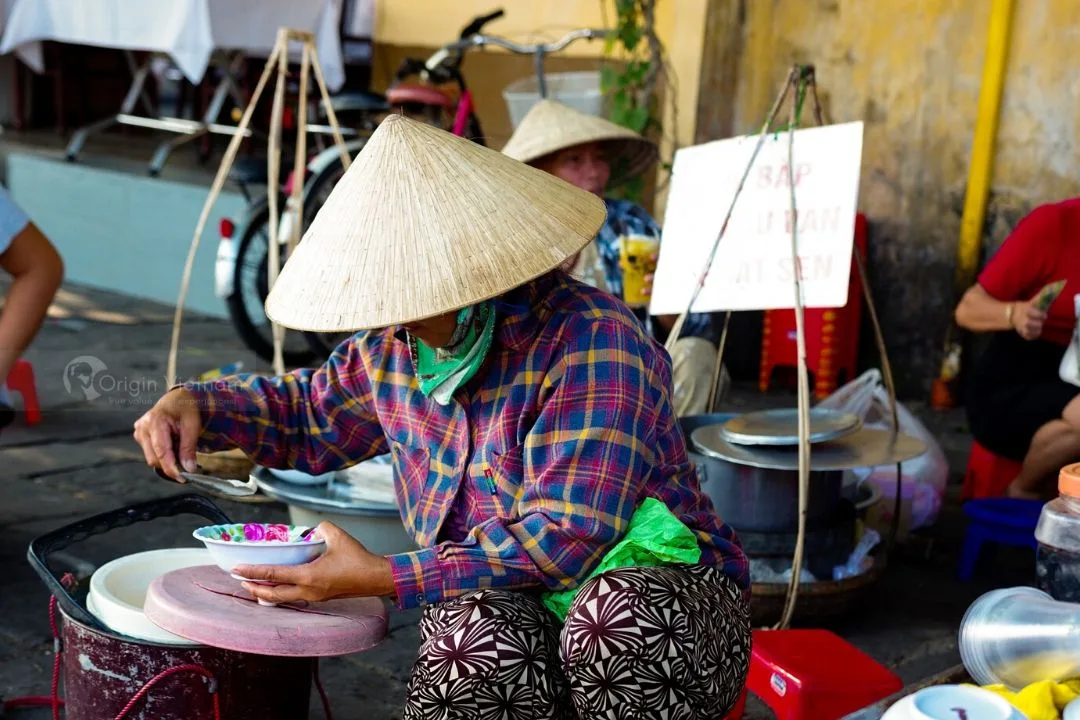
Street food is an integral part of life in Vietnam. For locals, dining outdoors is not just a habit but a reflection of their lifestyle and diverse culinary practices. When planning a trip to Vietnam, food safety is often a concern that arises early on. So, is street food in Vietnam safe?
The short answer is yes, but it’s important to keep a few conditions in mind. Your choice of location and eating habits will significantly affect the level of food safety you experience during your trip.
Street Food: A Unique Character
Street food in Vietnam is not an exception; it’s a vital part of the broader culture. In major cities like Hanoi and Ho Chi Minh City, outdoor dining is a common sight, characterized by:
- Sidewalks often serving as dining areas.
- Small plastic stools arranged around food stalls.
- Dishes typically prepared right before your eyes.
Here, quick service and fresh ingredients are commonplace, which helps minimize the risk of food being left out for too long and becoming unsafe.
Food Safety: The Real Answer
In terms of safety, street food in Vietnam is generally safe for travelers if they adhere to some basic rules:
✈️ Tìm chuyến bay giá tốt
Đặt vé ngay với giá ưu đãi từ các hãng hàng không
- Freshness: Street food is usually cooked in small batches and served immediately after preparation.
- Popularity of Stalls: Busy stalls are often a safer choice. If you see many locals waiting in line, that’s a good sign.
Risks to Be Aware Of
While street food is relatively safe, there are some risks you should be aware of, especially if you're not accustomed to conditions in Southeast Asia:
- Hygiene Differences: Hygiene standards may differ from what Western travelers expect, such as:
- Water and Ice: Tap water in Vietnam is not safe to drink. This affects the ice used in drinks and fresh vegetables.
Tips for Enjoying Street Food Safely
To confidently enjoy street food, consider these practical habits:
- Choose Busy Stalls: Look for crowded places with a high volume of customers.
- Stick to Hot, Fresh Dishes: Hot dishes that are freshly cooked are usually safer than those prepared in advance.
- Pay Attention to Cleanliness: While not necessarily as clean as restaurants, it’s still important to be mindful of hygiene.
Comparing Street Food and Restaurants
There’s no rule that restaurants are always safer than street stalls. In fact, many travelers may find that:
- Busy street stalls can be more reliable than less frequented restaurants.
- Products at street stalls are often fresher and made to order.
Regional Differences
The street food culture can vary by region:
- North (Hanoi, Sapa): Food tends to be less commercialized and has rich traditional flavors.
- Central (Hue, Hoi An): Food is spicier and often more intricately prepared.
- South (Ho Chi Minh City, Mekong Delta): Sweet flavors and a variety of street snacks.
Cost and Street Food Experience
A street meal can cost as little as 20,000 to 50,000 VND, significantly cheaper than a restaurant meal, which usually ranges from 100,000 to 300,000 VND. To minimize risks, consider joining a street food tour, where you’ll not only have guidance but also gain deeper insights into the local culinary culture.
Conclusion
There’s no need to shy away from street food when visiting Vietnam. Just choose your dining areas wisely, follow basic hygiene rules, and enjoy both street and restaurant dining. Your trip will be even more exciting with rich and diverse culinary experiences.
Article referenced and edited from: Origin Vietnam Travel
Phê Vé
Phê Vé is a leading online flight booking platform in Vietnam, providing accurate and up-to-date travel information. We are committed to delivering wonderful travel experiences with the best prices on the market.