
Phê Vé
May 14, 2026 • 3 min read
Asiana Airlines will officially cease operations in December 2026, merging with Korean Air. This significant change will greatly impact the South Korean aviation market.
Overview of the Merger Between Asiana Airlines and Korean Air
In November 2020, a major merger plan between two South Korean airlines was announced when Korean Air revealed its intention to acquire Asiana Airlines. The deal was finalized in December 2024, marking a significant shift in the regional aviation landscape.
For nearly 18 months after the merger announcement, both airlines continued to operate relatively independently. However, we now have clear information regarding the timeline and the manner of the merger. Specifically, the Asiana brand is set to disappear on December 17, 2026.
Details on Operations Following the Merger
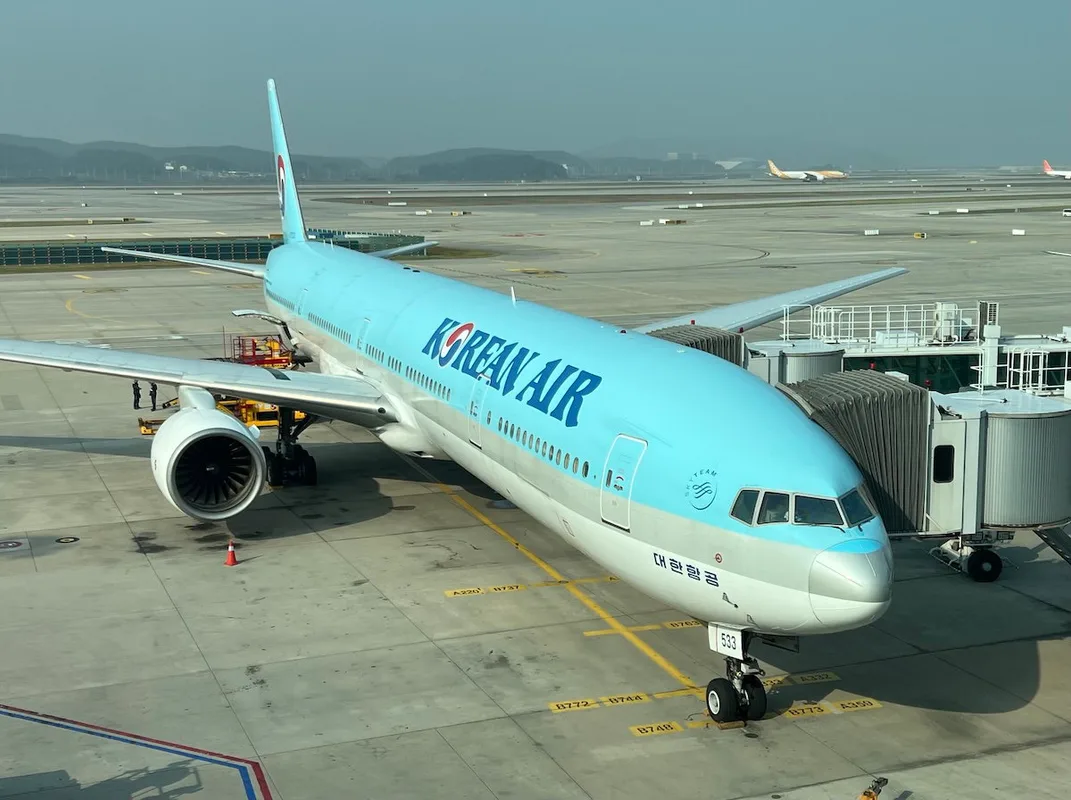
During this transition period, Korean Air and Asiana are expected to integrate their operations, rebranding all Asiana flights under the Korean Air name. This means that Asiana will no longer be part of the Star Alliance and will not have its own frequent flyer program, instead joining SkyTeam and participating in Korean Air's SkyPass program.
This rebranding will affect all aspects of the airlines, from aircraft design to check-in counters. Furthermore, the two airlines will coordinate schedules and focus on fleet planning.
Challenges in the Merger Process
This is one of the most complex and prolonged mergers we've seen, especially given the intense scrutiny from regulatory bodies. Such caution is understandable, as merging two major airlines in a country into one can significantly impact consumers.
While it may be disappointing for fans of the Asiana brand and its involvement in Star Alliance, those who are loyal to Korean Air might see this as good news. This marks a major shift in the South Korean market, reducing the country to a single national airline.
✈️ Tìm chuyến bay giá tốt
Đặt vé ngay với giá ưu đãi từ các hãng hàng không
Competing Airlines
Numerous concessions had to be made during this merger process, and we’ve also seen increased competition from other airlines in South Korea, such as T’way Air (which plans to rebrand as Trinity Airways in the near future).
Interestingly, Asiana had few partnerships with foreign airlines, giving it a secondary status within the Star Alliance, alongside carriers like LOT Polish Airlines.
Prospects for the New Brand
Korean Air's largest joint venture is with Delta. Former Asiana flights will soon operate as part of this joint venture, expanding market share across the Pacific. The airlines may coordinate on pricing and scheduling while sharing revenues.
It’s worth noting that while this joint venture holds significant potential, some passengers prefer non-stop flights rather than having to transit through Incheon Airport (ICN).
International Partners and Future Plans
To compete effectively with United regarding network breadth in Asia, Delta still needs to expand further. The airline is working on increasing its trans-Pacific network, with new routes to destinations like Hong Kong (HKG) and potentially Manila (MNL) and Singapore (SIN).
Conclusion
The brand integration between Asiana Airlines and Korean Air is expected to take place on December 17, 2026. This will mark the official end of the Asiana brand, as the airline exits the Star Alliance. Although this is a lengthy process, key details still need to be finalized, and we will have more information in the coming months.
The eventual integration of Asiana into Korean Air is intriguing. How will this affect consumers and travelers? Stay tuned!
Article sourced and edited from: One Mile at a Time
Phê Vé
Phê Vé is a leading online flight booking platform in Vietnam, providing accurate and up-to-date travel information. We are committed to delivering wonderful travel experiences with the best prices on the market.