
Phê Vé
April 3, 2026 • 4 min read
Recently, Atlas Ocean Voyages has been on a mission to enhance its image. From glossier press releases and more luxurious language to clearer pricing strategies, everything is aimed at establishing the brand as a premium cruise line. Just take a look at the newly launched Atlas Adventurer, and you'l
```html
Atlas Ocean Voyages: Elevating the Luxury Cruise Experience
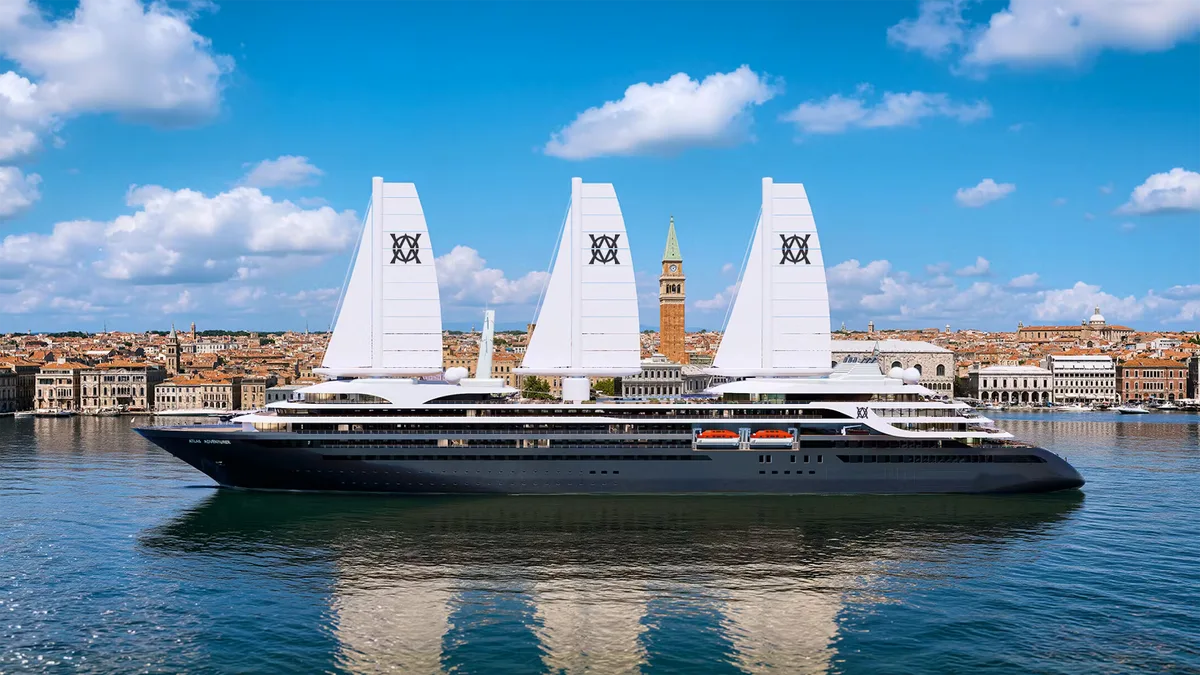
Recently, Atlas Ocean Voyages has been on a mission to enhance its image. From glossier press releases and more luxurious language to clearer pricing strategies, everything is aimed at establishing the brand as a premium cruise line. Just take a look at the newly launched Atlas Adventurer, and you'll see this transformation in action.
However, the real story goes beyond Atlas simply becoming more upscale; the entire expedition industry is turning "premium branding" into a survival strategy. The days of easy promotions, flashy launches, and attracting customers with discounts are long gone. Operating costs for small cruise ships are high, and it's time to sell this product at its true value.
Atlas is doing what savvy companies do as they mature: they’re not just selling access; they’re selling identity. The question remains, though: can the product and market support this new identity without relying on typical promotional gimmicks?
No More "Bargain Deals"
As Atlas enters the crowded expedition cruise market, it has done what new brands typically do: compete based on value and price. Each ship is modernly equipped, with amenities that make people wonder, "Why is it so affordable?" In reality, for an extended period, Atlas has offered small expedition cruises at significantly lower prices than its competitors. While this strategy may have been effective, it isn’t always sustainable.
The long-term customers Atlas is targeting are those who enjoy luxury travel with a flexible budget. These travelers are not easily swayed by steep discounts or flash sales. While you can fill cabins with promotions, you can’t build a premium brand that way. If you’re not careful, initial customers may feel that you’ve “changed,” and those who helped build the brand could walk away.
Rising Costs in the Cruise Industry
A clear trend in the expedition cruise industry as we approach 2026 is the increasing costs, tighter regulations, and operational limitations in certain regions. Svalbard is a prime example, but certainly not the only one. With fewer ships available, higher operating costs, and more compliance requirements, as supply becomes limited while demand remains steady, the market doesn’t get "better"—it simply becomes more expensive and less forgiving.
✈️ Tìm chuyến bay giá tốt
Đặt vé ngay với giá ưu đãi từ các hãng hàng không
This isn’t just an Atlas issue; it reflects the overall state of the industry. We are witnessing price hikes in Svalbard, Antarctica, and many other destinations, alongside a growing number of travelers eager to explore these remote parts of the world.
The Changing Face of Premium Branding
When Atlas talks about "premium branding," it’s not just about aesthetics. It also pertains to pricing strategy. A premium brand allows you to raise prices without being seen as desperate. It shifts the conversation from what’s included in the package to the feelings it evokes.
The upcoming Atlas Adventurer serves as a significant symbol of this message: "We don’t just want to be a brand that innovates value." You don’t build a ship like this to compete with yesterday’s promotions. You build it to capture attention, generate headlines, and achieve higher profits.
Challenges in the Expedition Cruise Industry
The industry is becoming increasingly homogenized, with many expedition brands following the same playbook. Looking at new brands like Swan Hellenic, Seabourn, or Atlas Ocean Voyages, they all advertise experiences that are nearly identical. Even well-established brands like Silversea are not exempt, offering services that are strikingly similar.
From having suite cabins (or "almost suites") to dining at multiple venues (often more about marketing than actual differentiation) and spa and wellness services (because every brand seems to believe that’s the current luxury), they all seem to follow this trend.
Implications for Travelers
With Atlas moving upmarket, this shift has significant implications for travel enthusiasts. If you loved Atlas for its promotions, those days may be numbered. While there may still be enticing deals, if prices for travel packages rise from $6,000 to $12,000, those savings no longer feel "fantastic."
You might still perceive value, but the chances of finding "super attractive" prices are dwindling. Cruises for the 2025/2026 season are already over 90% sold out, and the 2026/2027 season is also more than halfway booked. Attractive deals may soon become scarce.
If you’re seeking a more refined expedition experience, this transition is good news. Prepare for offerings that focus on: higher-end service, thoughtful design, diverse dining options, and a quieter style.
However, if you’re like me—a bit skeptical of cruise advertising—remain vigilant. Keep an eye on how frequently new sustainable technologies are genuinely implemented, whether "multiple destinations" truly enhance quality, and if the expedition programs retain their identity as luxury continues to evolve.
In summary, Atlas's move toward the premium market is not surprising; it’s a necessary step in its maturation. Atlas is growing up.
```Phê Vé
Phê Vé is a leading online flight booking platform in Vietnam, providing accurate and up-to-date travel information. We are committed to delivering wonderful travel experiences with the best prices on the market.