
Phê Vé
April 1, 2026 • 4 min read
If you’re searching for a place to find peace and rejuvenate your spirit, Kumano Kodo, one of Japan's oldest pilgrimage routes, might be your perfect destination. Unlike trendy wellness retreats, Kumano Kodo offers tranquility through steps taken in nature, preserving traditions that have thrived fo
```html
Exploring Kumano Kodo
If you’re searching for a place to find peace and rejuvenate your spirit, Kumano Kodo, one of Japan's oldest pilgrimage routes, might be your perfect destination. Unlike trendy wellness retreats, Kumano Kodo offers tranquility through steps taken in nature, preserving traditions that have thrived for thousands of years.
I spent a week on the Kii Peninsula, home to beautiful tropical hills, roughly the size of Hawaii's Big Island. Skipping the popular tourist spots like Kyoto, Osaka, and Tokyo, I wandered along the ancient paths, visited the temples of monks, participated in prayer ceremonies, soaked in hot springs, and received guidance from a holistic doctor. Walking the Kumano Kodo, I felt a profound sense of calm and embarked on a spiritual journey of renewal.
Borrowing Nature's Beauty
During my time on the Kii Peninsula, I learned a phrase: “borrowing scenery.” When you gaze at a landscape, you don’t own it; you’re simply borrowing a view from nature. Everything belongs to everyone and to nature itself. In Japan, rejuvenation means letting go of mental worries, sitting quietly, and being present in nature.
The silence here isn’t overwhelming. If you listen closely, you can find peace among the mountains considered sacred.
The Path of Renewal
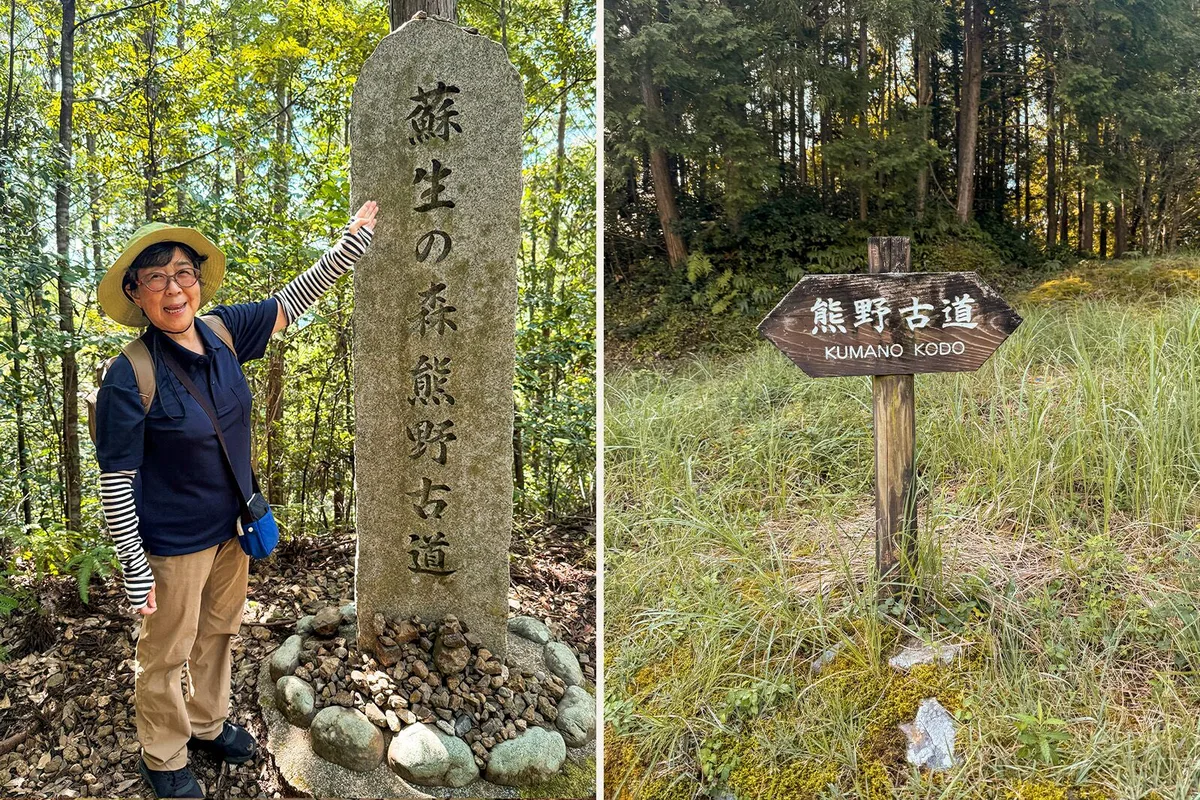
The gentle trail, with moss-covered stone steps, leads to the Hongu Shrine in Tanabe, nestled among towering pine trees. In the fresh air, I felt the burdens of my mind lift as I walked this sacred path. During the Heian period (794–1185), Kumano was one of Japan's most important pilgrimage sites. By the 11th century, emperors and nobles from Kyoto came here seeking purification and renewal.
Today, Kumano Kodo comprises a network of trails spanning around 1,000 kilometers, connecting over 100 temples and historical sites across the Kii Peninsula. In 2004, the shrines and pilgrimage routes in the Kii Mountains were recognized as a UNESCO World Heritage site for their cultural and spiritual significance.
✈️ Tìm chuyến bay giá tốt
Đặt vé ngay với giá ưu đãi từ các hãng hàng không
Ise Jingu and the Meaning of Renewal
Ise Jingu, the traditional starting point of the Kumano Kodo, is one of the most revered Shinto shrines in Japan. Here, I bowed beneath the torii gate, the boundary between the material and spiritual worlds, and crossed the Ujibashi bridge. At the Isuzugawa riverbank, I performed a purification ritual before entering the sacred area of the main shrine.
The worship practices at Shinto shrines are simple: bow twice, clap twice, and bow once more. No photos, no food, no drinks allowed. This isn’t a tourist spot. Millions come here annually to worship the sun goddess Amaterasu-Omikami and the goddess of agriculture Toyouke-no-Okami.
Kumano Hongu Taisha: A Journey to Find Peace
I joined a small group to meet Ietaka Kuki, the chief priest of Kumano Hongu Taisha, to understand what draws people here. Through a translator, we asked him what feelings he hopes visitors experience upon arrival. “Peace,” he said, explaining that UNESCO’s recognition aims to connect humanity with a “path of peace,” a place where people from all over the world can come and find rest.
The best way to experience Kumano is to walk slowly beneath the trees and reflect, rather than rushing between temples. The goal is to clear the noise from your mind as you journey.
Nachi and Seiganto-ji: Liberation from Fire and Water
The breathtaking Nachi Waterfall stood before me, misting my face with its cool droplets. Revered for centuries for its healing properties, this place made me feel divine. The atmosphere shifted, and I felt goosebumps in the 90-degree heat.
Seiganto-ji Temple sits next to the iconic red pagoda overlooking Nachi Falls. In a conversation with Chiei Takagi, the temple’s vice-priest, he described the purpose of this place simply: “To merge with nature. Feel that integration. You are part of nature.” He shared stories of a hermit who once lived on the mountain and received healing powers to share with others from this very spot.
Nara: The Cradle of Japan
Many visitors know Nara not just for its adorable Sika deer but for its deeper significance. Heijō-kyō (present-day Nara) became Japan's first official capital in 710. It was also where Emperor Shōwa signed the San Francisco Peace Treaty in 1951, restoring Japan’s sovereignty after World War II.
I continued my spiritual quest with two more temple visits. “The sacred is in every detail,” the head priest of Hase-dera told me as he led me up the steep wooden stairs to the inner hall, where I felt the reverence the Japanese have for sacred rituals.
```Phê Vé
Phê Vé is a leading online flight booking platform in Vietnam, providing accurate and up-to-date travel information. We are committed to delivering wonderful travel experiences with the best prices on the market.