
Phê Vé
May 15, 2026 • 4 min read
A comprehensive guide for your trip to Mu Cang Chai, including ideal duration, accommodation options, the best time to visit, and local delicacies.
Introduction to Mu Cang Chai
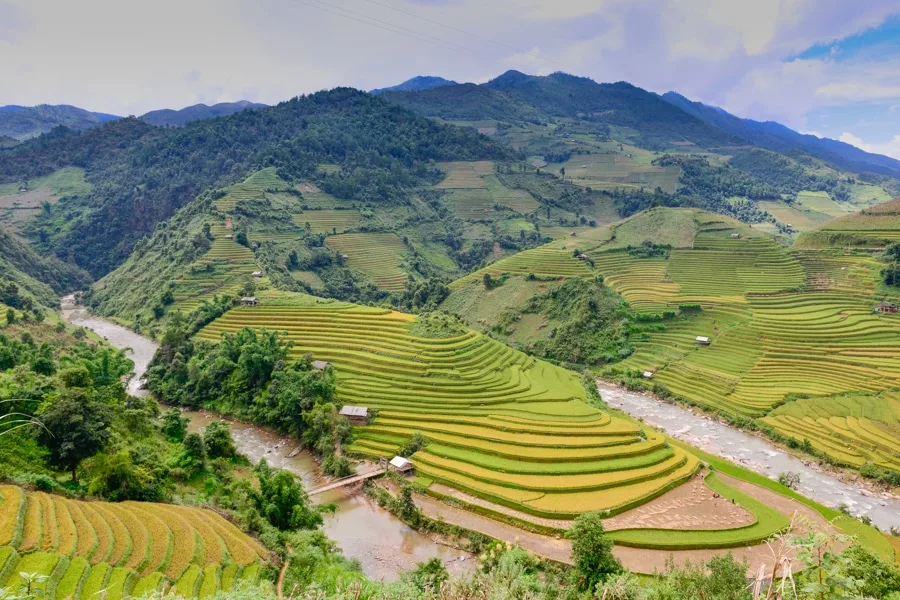
Mu Cang Chai is a stunning mountainous region in northern Vietnam, renowned for its unique terraced rice fields, winding mountain roads, and a tranquil atmosphere that stands in stark contrast to the bustling tourist hotspots like Sapa. First-time visitors often have questions about transportation, climate, accommodation, and road conditions. This article aims to answer common queries to help you plan the perfect trip to this beautiful destination.
Where is Mu Cang Chai?
Located in Yen Bai province, Mu Cang Chai is approximately 300 kilometers from Hanoi. It sits in a mountainous area that connects Nghia Lo, Tu Le, and the northwestern regions. The journey from Hanoi typically takes around 6 to 8 hours. While the distance might not seem too far, travel along the mountain roads can take longer than expected.
Is Mu Cang Chai Worth Exploring?
If you love mountains, terraced rice fields, and are looking for a quieter space, Mu Cang Chai is definitely a must-visit. Compared to Sapa, this area is less commercialized, offering simpler tourist infrastructure but breathtaking natural scenery that draws visitors in. On the other hand, if you're seeking luxury resorts or modern entertainment options, Mu Cang Chai might not be the best fit for you.
How Many Days Should You Stay in Mu Cang Chai?
Typically, two days is the minimum for most travelers. This duration allows you to:
- Travel comfortably to your destination.
- Explore the main terraced rice field areas.
- Experience the beauty of sunrise or sunset.
- Avoid feeling rushed while navigating the mountain roads.
Three days would provide an even more enriching experience, especially for photography enthusiasts or those wanting to explore both Mu Cang Chai and Tu Le. If you only have one day, your trip may feel a bit hurried due to the long distances involved.
When is the Best Time to Visit Mu Cang Chai?
The ideal time to visit Mu Cang Chai largely depends on your landscape preferences.
- Late September to early October: This is when the rice fields turn golden, providing a fantastic backdrop for photography.
- May to June: The water season, when the terraced fields are filled with water, creating stunning reflections.
- Summer: Lush green landscapes, though it can be quite rainy.
- Winter: Cooler temperatures and fog, but the scenery is less impressive than in autumn.
Comparing Mu Cang Chai and Sapa
Both destinations have their own charm, but they differ in atmosphere. Sapa is larger and more developed in terms of tourism infrastructure, offering a wider range of accommodations and activities. Mu Cang Chai, in contrast, is quieter and focuses more on natural landscapes and the experience of traveling through mountain roads. If you're weighing your options between these two places, consider your travel style.
What are the Road Conditions Like?
The road conditions in northwestern Vietnam are mostly scenic, but not as fast as some travelers might expect. The roads leading to Mu Cang Chai feature:
✈️ Tìm chuyến bay giá tốt
Đặt vé ngay với giá ưu đãi từ các hãng hàng không
- Mountain passes.
- Narrow curves.
- Fog during the colder months.
- Risk of landslides during heavy rains.
Travelers using cars or local guides typically face fewer challenges. However, if you're self-driving or riding a motorcycle, you'll need to be confident navigating these mountain roads.
Is Mu Cang Chai Family-Friendly?
It can be, but it largely depends on your planning and mode of transportation. Families traveling with children often benefit from:
- Private transportation.
- A more relaxed itinerary.
- A stay of two to three nights.
This destination is ideal for families who love nature and seek a peaceful experience rather than a fast-paced tour. Accommodations here are relatively basic compared to many other places.
What Type of Accommodation Should You Choose in Mu Cang Chai?
Accommodation in Mu Cang Chai is generally simpler and more local than in Sapa. Visitors can choose from:
- Homestays.
- Eco-resorts.
- Mountain-view bungalows.
- Simple local hotels.
The best places often emphasize natural beauty and atmosphere over luxurious amenities.
Is Mu Cang Chai Good for Photography?
Absolutely! Photography is one of the main attractions for visitors. Mu Cang Chai is known for:
- Terraced rice field landscapes.
- Stunning sunrise shots.
- Scenic mountain roads.
- Rural life.
Rapid changes in lighting can make day trips challenging; those who stay longer will have more opportunities for capturing great photos.
Culinary Delights in Mu Cang Chai
When you arrive in Yen Bai and stop by Mu Cang Chai, you can indulge in local specialties from the Mong and Thai ethnic groups, such as five-color sticky rice, black chung cake, grilled fish, thick rice rolls, grilled chicken marinated in mac khen leaves, and buffalo meat. These are traditional dishes of the local ethnic minorities.
Should You Travel Independently or Join a Tour?
Traveling independently offers more freedom, ideal for those familiar with navigating mountainous areas. However, many travelers often underestimate the fatigue that comes with driving in the northwest. Sometimes, an organized itinerary can provide a more relaxing experience, especially for short visits. Those looking to minimize logistical hassles and enjoy expert knowledge about the routes may benefit from Mu Cang Chai tours.
This article is referenced and edited from: Origin Vietnam Travel
Phê Vé
Phê Vé is a leading online flight booking platform in Vietnam, providing accurate and up-to-date travel information. We are committed to delivering wonderful travel experiences with the best prices on the market.