
Phê Vé
April 24, 2026 • 3 min read
President Trump proposed the government purchase of Spirit Airlines, but this idea requires careful consideration. The airline is facing numerous issues and should not become a burden on taxpayers.
Introduction to the Proposal to Buy Spirit Airlines
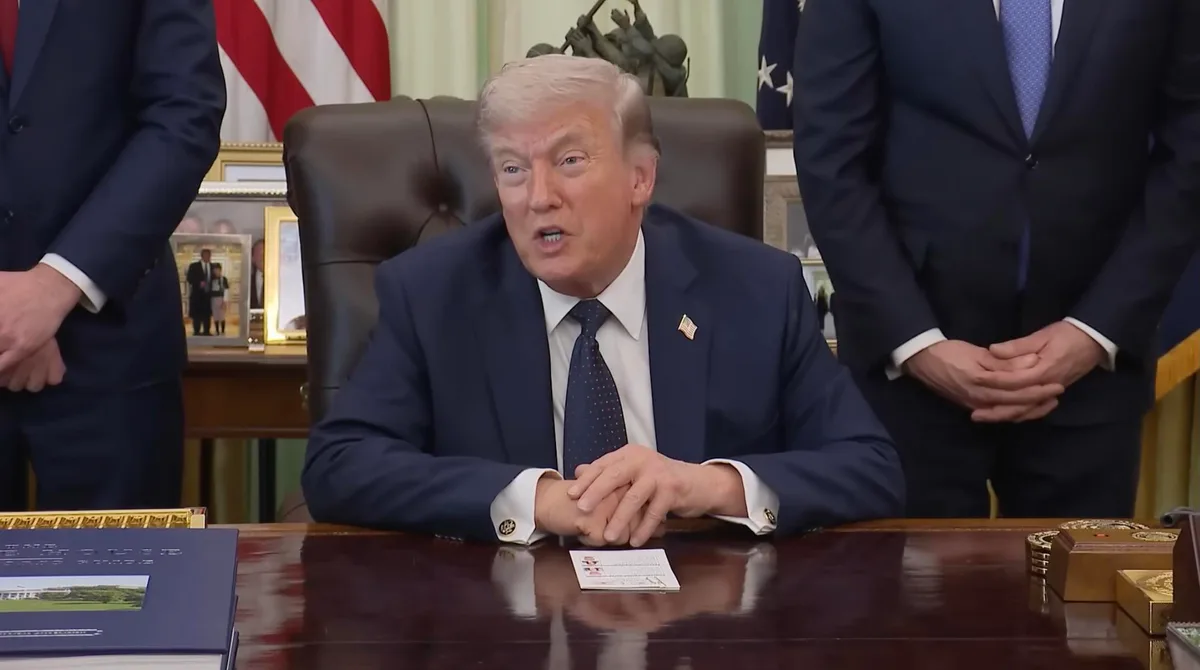
Recently, President Donald Trump stirred controversy by suggesting that the U.S. government should purchase Spirit Airlines. In a statement from the Oval Office, he argued that this acquisition would help preserve jobs and generate profits as oil prices decline. However, this proposal has faced significant criticism and warrants a deeper examination.
Challenges Facing Spirit Airlines
Spirit Airlines is currently struggling financially and has filed for bankruptcy twice in a short period. While the airline possesses some aircraft and other assets, these have become less appealing to private investors. If there were genuine potential, there would be no reason for investors to hesitate in lining up to acquire the airline.
Spirit Airlines' Assets
Spirit does own aircraft, but most are outdated and inefficient. The airline also holds airport rights, staff, and brand recognition, yet these factors alone are insufficient to transform Spirit into a gem within the aviation industry.
Lessons from History
History shows that the U.S. government has spent billions to bail out the airline industry during the COVID-19 pandemic. However, bailouts are only meaningful when the airline's business model is still viable. Spirit isn’t in the same predicament as many other airlines that faced closures due to the pandemic. The current failure stems from a business model that no longer aligns with market demands.
Taxpayer Costs
Although a $500 million bailout for Spirit may not seem substantial when divided among approximately 342 million Americans (roughly $1.46 per person), it highlights how the government is utilizing taxpayer money. A small sum here, a minor amount there, has led to a skyrocketing national debt. As it stands, each American is shouldering about $114,000 in public debt.
✈️ Tìm chuyến bay giá tốt
Đặt vé ngay với giá ưu đãi từ các hãng hàng không
Is the 'Profit Later' Proposal Feasible?
President Trump hopes that the government could buy Spirit at a low price, wait for oil prices to drop, and then sell it for a profit. However, if this were genuinely feasible, why are no investors willing to back Spirit right now? The plan is rife with assumptions, including the airline's operational recovery and future private investor involvement.
Management Issues
When the government owns an airline, questions arise about how agencies like the Department of Transportation, FAA, or DOJ would regulate other airlines. Can the government ensure fair competition in the aviation sector while simultaneously investing in a specific airline?
The Future of American Aviation
While acquiring Spirit Airlines may not destroy America, it signals a growing comfort within the government to intervene in failing businesses. If the mindset surrounding this issue doesn’t change, one day, the American airline industry could fall into the hands of other countries like China.
Conclusion
President Trump believes that buying Spirit Airlines will protect jobs and yield profits, but the reality suggests otherwise. The airline should not be turned into a state-owned enterprise, and taxpayers should not bear additional financial burdens from this decision. If the business model is outdated, let it fail and allow private investors to participate in the recovery process.
This article has been referenced and edited from: Live and Let's Fly
Phê Vé
Phê Vé is a leading online flight booking platform in Vietnam, providing accurate and up-to-date travel information. We are committed to delivering wonderful travel experiences with the best prices on the market.