
Phê Vé
April 2, 2026 • 5 min read
After a long period of losing many native plant and animal species, the island of Mauritius is now welcoming back travelers eager to explore a recovering paradise in the Indian Ocean.
```html
Embracing Nature in Mauritius: A Tropical Island Tale
After a long period of losing many native plant and animal species, the island of Mauritius is now welcoming back travelers eager to explore a recovering paradise in the Indian Ocean.
A Warm Welcome from Day One
As soon as I set foot in Mauritius, I was enveloped in a vibrant world painted in shades of green and blue, filled with the cheerful sounds of birds and the tantalizing aromas of local cuisine. The past 18 months felt like a muted palette, but here, I was alive in a land bursting with color. On my way to the hotel, colorful birds flitted playfully among the lush canopies, almost within reach.
Gazing out at the sea, the beach stretched out before me, adorned with soft white sands and swaying palm trees. The tranquil turquoise waters gently lapped at the shore, where coral reefs formed a protective barrier. A glass-bottom boat returned from a tour, delivering a group of excited snorkelers who eagerly shared their underwater adventures as they climbed ashore.
A Special Encounter
My journey to Mauritius began just ten days after the island reopened to tourists. The radiant smiles from the hotel staff warmed my heart. “Welcome, welcome,” one staff member beamed at me. “If you’re happy, then I’m happy too.” That evening, the soothing sound of waves caressing the shore and the gentle breeze eased my soul.
The next morning, I woke to cloudy skies and a light rain began to fall... The droplets felt like a natural welcome as I boarded a boat to the nature reserve Ile aux Aigrettes, where Rose Marie Pierre, a representative from the Mauritius Wildlife Foundation, remarked, “We are so grateful for this rain.”
Discovering Ile aux Aigrettes
As I set foot on the island, it felt like stepping into a magical world filled with the melodious chirping of birds. Almost immediately, I spotted a giant tortoise ambling by. Next, a small bird with bright red plumage caught my eye, prompting Rose to exclaim, “That’s the Mauritius fody, a critically endangered species!”
While discussing the pink pigeons and how their numbers dwindled to just nine individuals in the 1990s, a pink pigeon gracefully landed on a branch right before us. Now, the only thing missing was the dodo.
✈️ Tìm chuyến bay giá tốt
Đặt vé ngay với giá ưu đãi từ các hãng hàng không
A Memorable History
When the Portuguese and later the Dutch visited Mauritius in the 16th and 17th centuries, they found no inhabitants. Instead, they discovered a large, flightless bird, naive and unafraid. The dodo became an easy food source for them and was adversely affected by the arrival of species like rats and monkeys, which preyed on their eggs and young. The last confirmed sighting of the dodo was in 1662.
Searching for Native Species
Many other native species also went extinct following human arrival. Rose explained that Mauritius once had two species of giant tortoises, but they too faced the same fate as the dodo. Giant tortoises played a crucial role in dispersing the seeds of native trees, leading to efforts to reintroduce tortoises from Aldabra in Seychelles.
Today, Ile aux Aigrettes features a tortoise breeding center, with these majestic creatures now residing in various reserves across the island.
Exploring Le Morne Brabant
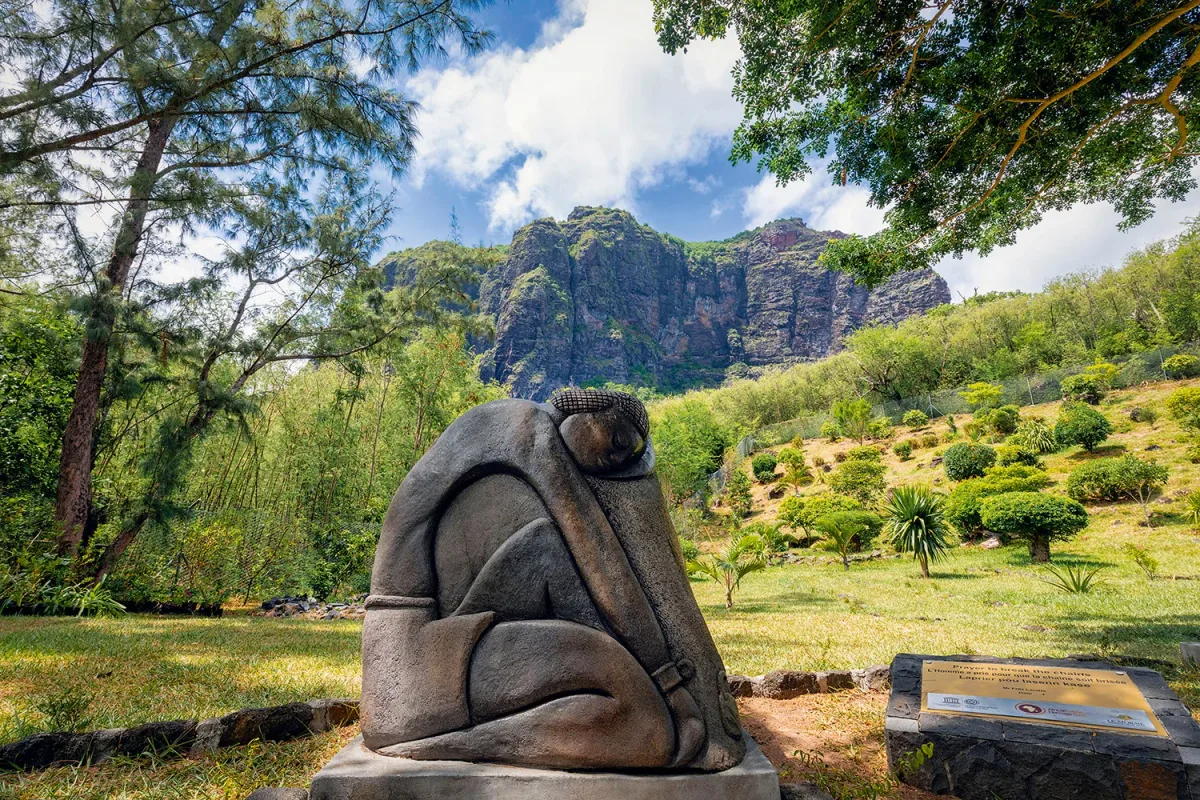
Back on the mainland, I began to explore the interior, where majestic basalt cliffs formed from volcanic eruptions towered over vast sugarcane fields. The scenery here was beautiful in its own right, but my visit to Ile aux Aigrettes taught me that Mauritius has not only lost many species of wildlife but also most of its native forests. Trees were felled for boat making, furniture exports, and to make way for sugarcane cultivation.
The French took control of the island from the Dutch in the early 18th century, bringing enslaved people from various regions in Africa to work. The British seized the island in 1810 and continued to use slave labor until its abolition; they later turned to contract labor from India and other parts of Asia. This diverse history has culminated in the rich cultural blend present on the island today.
A Greener Journey
While sugarcane still dominates the landscape of Mauritius, many individuals and organizations are working tirelessly to conserve the remaining native species, protect the environment, and restore forests. I joined Darren Taylor, the director of Pure Breaks, a local tourism company, who has deep roots in Mauritius. He has purchased land here and is actively engaged in ecological restoration.
We visited Ebony Forest, a conservation area dedicated to protecting the island's flora and fauna. Jean-Francois, a passionate local young man, spoke fervently about the importance of restoring Mauritius's natural ecosystems before we planted an indigenous tree together.
Connecting with Nature
Returning to Heritage Le Telfair, a luxury resort in Bel Ombre, I noticed that not only this hotel but the entire group of hotels focused on sustainability. They own a vast nature reserve of 1,300 acres, which is part of a UNESCO Biosphere Reserve.
Back at Le Telfair, pre-dinner drinks by the pool became even more delightful as I watched the Mauritius fruit bats – large bats with wingspans up to 80cm – take flight at dusk from their nearby roost. These endangered bats seek out fruits and seeds, which doesn’t always sit well with local farmers.
How the Journey Unfolded
On the northern coast of Mauritius, by the Anse La Raie lagoon, I stayed at a hotel that also prioritizes sustainability. At first glance, Lagoon Attitude appeared to be a standard 4-star resort. However, upon closer inspection, I realized this hotel had elevated its environmental commitment to a new level. They don’t just promote green practices; every action taken by the hotel reflects a genuine concern for the environment.
The rooms were not equipped with Nespresso coffee machines due to the inability to recycle the capsules on the island. My journey in Mauritius was not merely a vacation; it was a meaningful quest to reconnect with nature and embrace sustainable values.
```Phê Vé
Phê Vé is a leading online flight booking platform in Vietnam, providing accurate and up-to-date travel information. We are committed to delivering wonderful travel experiences with the best prices on the market.