
Phê Vé
April 7, 2026 • 3 min read
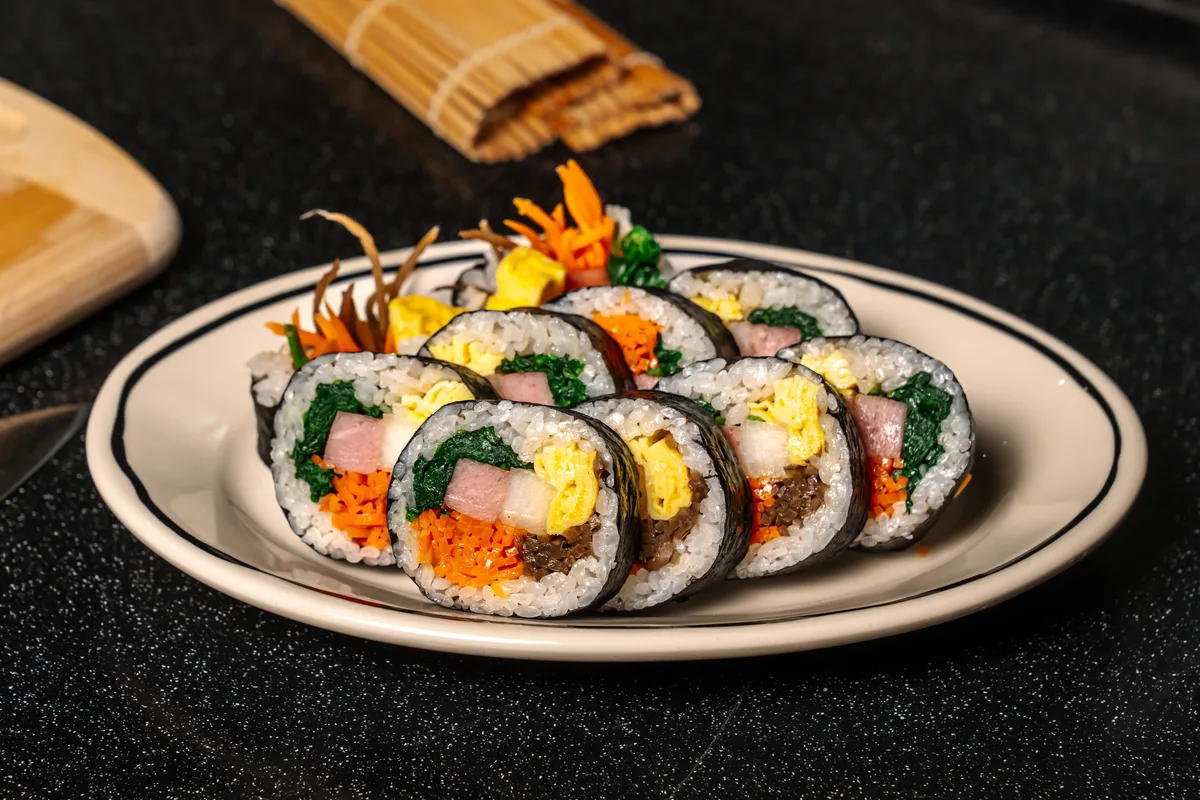
Gimbap, a traditional Korean dish, is making its mark in the United States. Discover the fascinating story behind this culinary delight and the innovative experiences of chef Jihan Lee.
Gimbap - A Growing Trend in America
If you're a fan of Korean cuisine, you’re likely familiar with gimbap, the delightful dish made from rice and vegetables wrapped in seaweed. Gimbap is gradually emerging as a sensation in the U.S., with some even claiming it has more to offer than simply being the Korean version of sushi.
Born from Family Love
For chef Jihan Lee, gimbap is more than just a dish; it embodies the essence of his mother's cooking and serves as the benchmark for everything he creates. After gaining experience at the renowned sushi restaurant Masa in New York, Lee opened Nami Nori, specializing in sushi. Yet, gimbap remained close to his heart, and he only dared to bring his gimbap vision to life once Nami Nori had gained enough traction.
Introducing TBD Gimbap
In mid-March, with Nami Nori expanding to locations in Florida, New Jersey, and Virginia, Lee launched TBD Gimbap in West Village, Manhattan—an eatery dedicated solely to gimbap. He emphasizes, “No soy sauce needed,” highlighting that his gimbap is bursting with flavor on its own.
A Creative Menu
TBD’s menu goes beyond traditional ingredients like bulgogi beef and spicy carrots. Lee plans to incorporate new fillings inspired by his Japanese culinary background to explore the concept of gimbap further. He looks forward to experimenting with unique versions in the future.
Aspirations and the Gimbap Market in New York
While TBD Gimbap isn’t the first gimbap restaurant in New York, it is part of a rising trend in Korean cuisine. According to John Kim, owner of a gimbap chain in the U.S., “K-food is now more recognized, and people can distinguish gimbap from sushi. This is an opportunity.”
✈️ Tìm chuyến bay giá tốt
Đặt vé ngay với giá ưu đãi từ các hãng hàng không
The Continuous Growth of Gimbap
Gimbap is not only found in restaurants but is also becoming a hot item in supermarkets, notably at Trader Joe’s, thanks to its popularity on TikTok. Although gimbap and sushi may look similar, many chefs assert that they differ significantly in flavor, preparation techniques, and cultural identity.
The Difference Between Gimbap and Sushi
Chef Jihee Kim from Los Angeles believes that gimbap resembles a sandwich more than sushi. She explains, “It's a dish that connects to childhood picnics, much like sandwiches do for many people.” She wants people to enjoy gimbap for what it is, without the need for soy sauce or other condiments.
Historical and Cultural Context
The relationship between Korea and Japan makes comparisons between gimbap and sushi sensitive. The growing interest in Korean cuisine has helped consumers better understand the differences between the two dishes. Many chefs today are striving to promote a proper appreciation of gimbap without having to compare it to sushi.
Breakthroughs at Kawi
One notable recent development in the gimbap scene is at Kawi, a restaurant by chef Eunjo Park, which has refreshed the perception of gimbap with creative versions that make the dish even more appealing. Although the restaurant has closed, Park's innovative approach is still remembered fondly by many.
The Value of Gimbap to Diners
At Super Peach, a restaurant in Los Angeles that opened in October, gimbap has become the best-selling dish. Chef Nick Picciotto states, “It’s a dish we’ve always wanted to bring back, even though it’s priced a bit higher than what we typically offer.” This reflects a lesson on the price diners are willing to pay for gimbap.
Phê Vé
Phê Vé is a leading online flight booking platform in Vietnam, providing accurate and up-to-date travel information. We are committed to delivering wonderful travel experiences with the best prices on the market.