
Phê Vé
April 27, 2026 • 3 min read
The U.S. low-cost airline industry is in dire need of $2.5 billion in government support to survive the challenging financial landscape. This article explores the implications of the ongoing fuel crisis.
The Struggles of Low-Cost Airlines
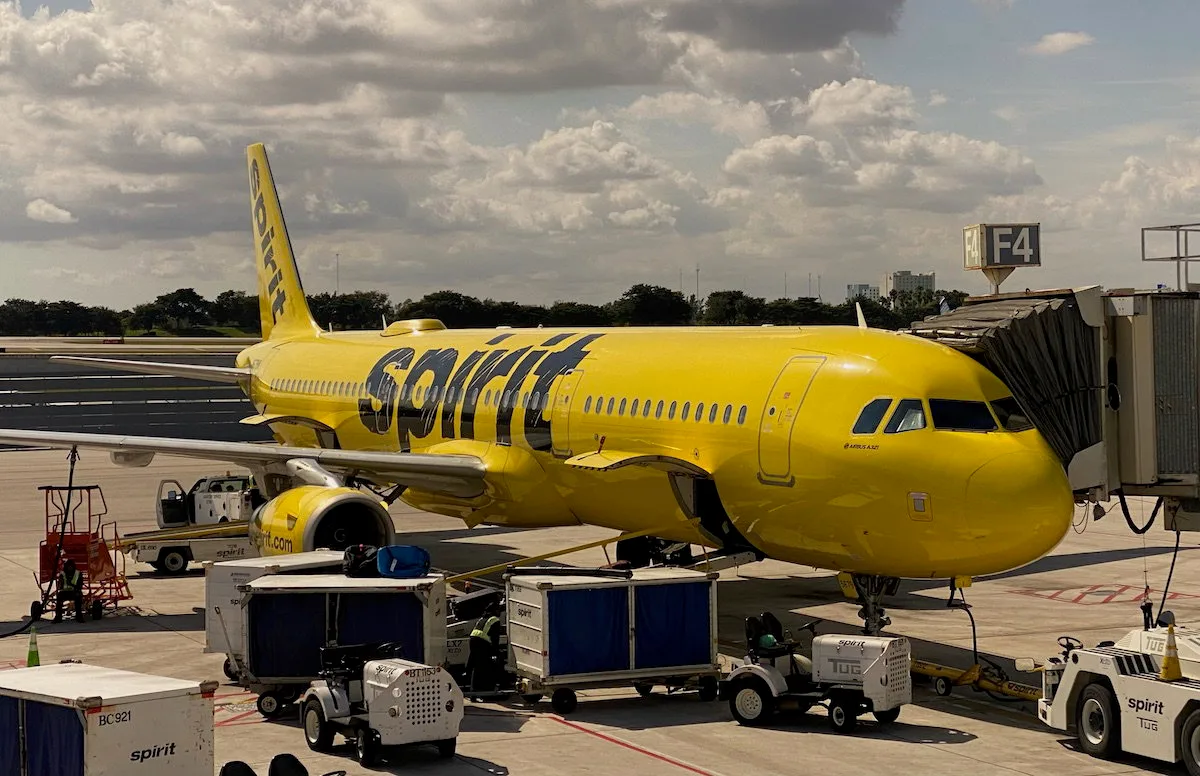
In recent days, there have been reports that the U.S. government is considering providing assistance to Spirit Airlines, a low-cost carrier facing bankruptcy. If this deal goes through, the government could end up holding up to 90% of the airline's shares. Additionally, there may be a broader rescue package for the entire airline industry on the horizon.
Financial Support for Airlines
According to The Wall Street Journal, on April 21, 2026, CEOs from several U.S. low-cost airlines met with Transportation Secretary Sean Duffy and FAA Director Bryan Bedford. Executives from Frontier and Avelo were also part of this crucial meeting.
The proposed rescue package for the airline industry is estimated at around $2.5 billion, which corresponds to the anticipated expenditure on jet fuel this year if fuel prices remain above $4 per gallon. This support could take the form of bonds convertible into company shares.
Pressure from the Fuel Crisis
The ongoing conflict in Iran has had significant negative repercussions for the airline industry. While traditional airlines can raise ticket prices, low-cost carriers struggle to do so, as their customer base is typically more price-sensitive.
Providing assistance solely to Spirit Airlines might not be the best approach, considering the airline was already in distress before the surge in oil prices, having filed for Chapter 11 bankruptcy twice in the past.
✈️ Tìm chuyến bay giá tốt
Đặt vé ngay với giá ưu đãi từ các hãng hàng không
Competition in the Airline Industry
Even if the government supports Spirit, it remains unclear whether this will enhance competition in the airline sector. Trump's goal was to sell the airline to another carrier rather than to protect competition among low-cost airlines.
A pressing question is why Spirit is receiving support while other struggling airlines are not. This is a complex situation, as many airlines are facing similar financial challenges.
A Reasonable Support Option?
I advocate for the government to provide widespread support to airlines rather than focusing solely on the one in the worst situation. However, allowing the government to own the entire low-cost airline sector is also not a sound idea.
Previously, at the onset of the pandemic, the airline industry received $54 billion in government support under the CARES Act when all airlines were in need of assistance.
Implications for Low-Cost Airlines
Currently, U.S. low-cost airlines are in a state of crisis, having faced losses for several years, and the doubling of jet fuel prices is an unbearable burden. Without support, many airlines may file for bankruptcy in the near future.
In summary, the U.S. low-cost airline sector is grappling with numerous challenges, while government intervention may merely empower financially unstable airlines, leading to adverse consequences for consumers and the entire airline industry.
This article is based on and edited from: One Mile at a Time
Phê Vé
Phê Vé is a leading online flight booking platform in Vietnam, providing accurate and up-to-date travel information. We are committed to delivering wonderful travel experiences with the best prices on the market.