
Phê Vé
April 9, 2026 • 3 min read
Airlines are hiking baggage fees while blaming rising fuel costs, but this isn't the whole story. Discover how the airline industry operates and what really drives these fees.
Baggage Fees Aren't Solely Driven by Fuel Costs
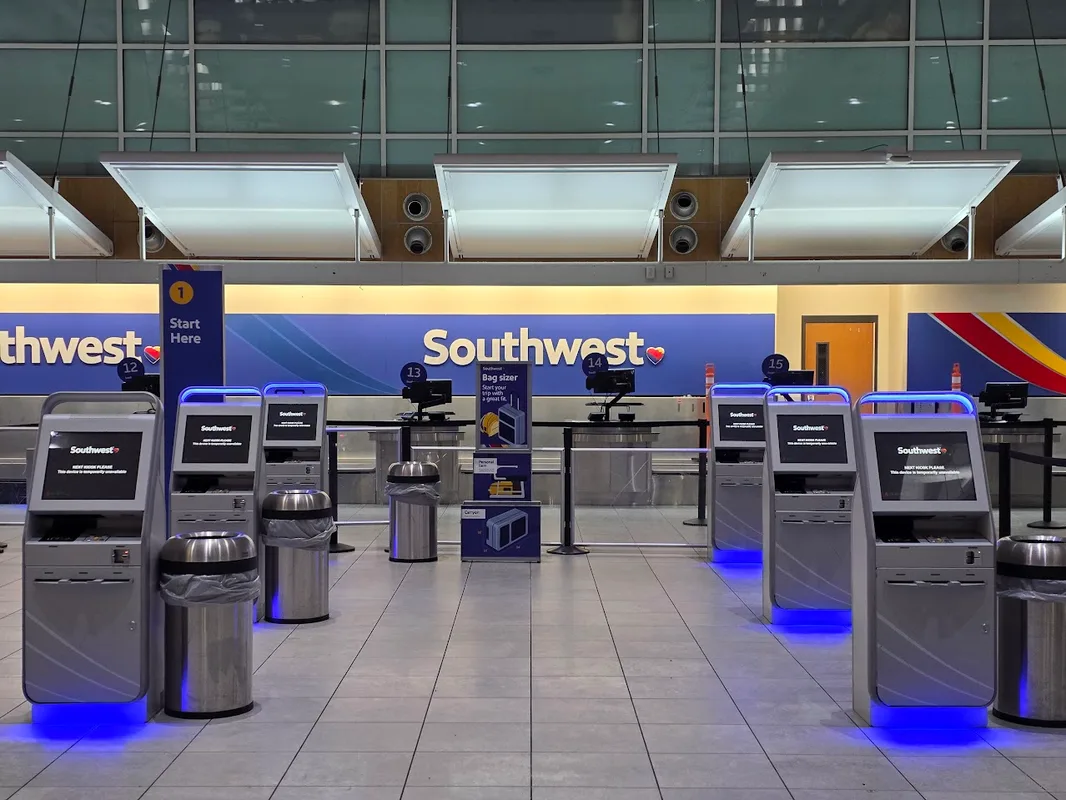
Major airlines like JetBlue, United, Delta, and Southwest are pointing fingers at rising jet fuel prices to justify their increases in checked baggage fees. While there's some truth to this claim, it doesn't tell the whole story and opens them up to criticism that they are simply capitalizing on the situation without any promise to lower fees when fuel costs decrease.
Lowering Ticket Prices Isn’t Simple
The CEO of Delta hesitated to commit to reducing ticket prices if fuel costs were to drop. Instead, he indicated that lower fuel prices would primarily boost the airline's profits for this year and the next, rather than translating into savings for passengers.
Airlines Don’t Always Turn a Profit
This may be controversial, but the reality is that major airlines often don’t make a significant profit from passenger transport. The bulk of their earnings comes from selling frequent flyer miles to banks. A closer look reveals that ticket prices combined with baggage fees barely cover operational costs.
Financial Analysis of American Airlines
For instance, American Airlines projected a revenue of $54.6 billion in 2025, yet their net profit was only $111 million. After excluding profits from credit card affiliate services, their profit margin from flying was just 0.8%, highlighting how they actually operate at a loss when it comes to transporting passengers and cargo.
Comparing with Delta Air Lines
Delta Air Lines reported $8.2 billion in revenue from American Express within a total revenue of $63.36 billion, yielding a net profit of $5 billion. Without the American Express revenue, their operating margin stands at around 4.8%, which isn’t particularly high compared to other companies.
✈️ Tìm chuyến bay giá tốt
Đặt vé ngay với giá ưu đãi từ các hãng hàng không
Fluctuating Costs Affect Ticket Prices
In a competitive market, prices are determined by supply and demand rather than production costs. When fuel prices rise, airlines may incur losses on flights, but they still need to operate to maintain customer engagement, especially for credit card holders.
Baggage Fees and Tax Policies
Checked baggage fees serve as a way to increase ticket prices while benefiting from tax policies. Domestic flight tickets are subject to a 7.5% sales tax, whereas “optional” fees, like baggage fees, are not taxed. In 2024, U.S. airlines collected $7.3 billion in checked baggage fees, with $5.8 billion coming from domestic flights, saving them hundreds of millions in taxes.
Customers May Not Appreciate Baggage Fees
If you’re not a fan of baggage fees, it’s worth noting that Congress is facilitating airlines in imposing these charges. Airlines also leverage baggage fees as incentives for customers to use their credit cards, further boosting their profits.
Airlines Adjust Fees Based on Demand
Not all baggage fees are created equal. JetBlue, for example, has a fee structure that may be higher than its competitors, especially during peak seasons when they can fill their planes. However, baggage fees typically don’t decrease when costs or demand drop, while ticket prices do adjust according to demand and expenses.
Commitment from Delta's CEO
Delta's CEO hasn’t promised to lower baggage fees, but he has committed to adjusting overall costs to provide travel services in line with changing customer demands and expenses.
Phê Vé
Phê Vé is a leading online flight booking platform in Vietnam, providing accurate and up-to-date travel information. We are committed to delivering wonderful travel experiences with the best prices on the market.