
Phê Vé
April 21, 2026 • 3 min read
Learn how to prepare an emergency kit in the Philippines for earthquakes and typhoons. Essential items and safety tips to keep you secure.
Why You Need an Emergency Kit
The Philippines frequently experiences natural disasters such as earthquakes and typhoons. During these events, power can be lost, the internet may go down, and clean water can become scarce. This makes having a reliable emergency kit essential for residents to cope with emergencies.
For travelers and remote workers, this kit is not just a safety measure; it helps maintain connectivity and allows you to continue working. This article will guide you on how to create an emergency kit with essential items to help you navigate through disasters safely.
What Should Your Emergency Kit Include?
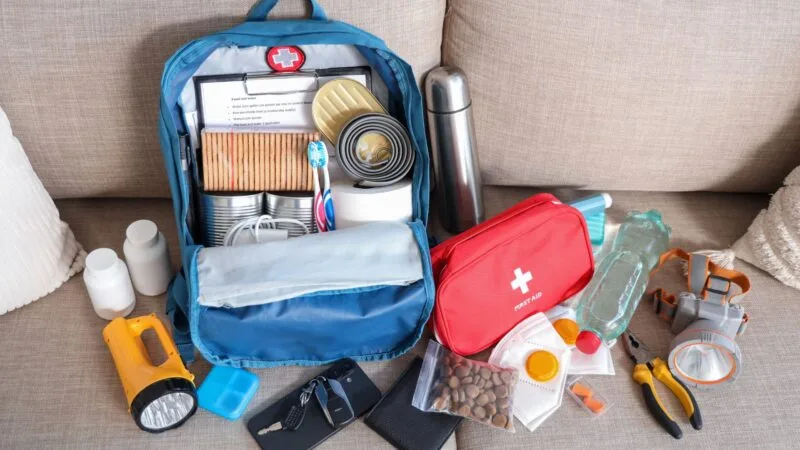
First, you need to prepare a “Go Bag” – a bag that contains everything necessary for survival during an emergency. Every household in the Philippines should have such a kit, and organizations like the NDRRMC and the Red Cross recommend that each household prepares an emergency kit.
Your emergency kit should include items that can sustain you for at least 72 hours:
- Copies of important documents
- Ready-to-eat food
- Drinking water
- First aid supplies
- Spare clothing
- Power bank
- Flashlight
- Blanket
- Cash
Keep the kit near your front door for easy access in case of an emergency.
Emergency Kit Checklist
When packing your emergency kit, having a checklist will help ensure you don’t forget anything important:
✈️ Tìm chuyến bay giá tốt
Đặt vé ngay với giá ưu đãi từ các hãng hàng không
- Water and Food
- Drinking water (at least 9 liters for 3 days)
- Ready-to-eat food (instant noodles, oatmeal, canned goods)
- Quick snacks (cookies, energy bars, peanuts)
- First Aid and Health Supplies
- Basic first aid kit with bandages and gauze
- Allergy medication
- Disinfectant wipes or alcohol
- Prescription medications
- Fever reducers
- Pain relievers
- Light and Power
- Portable charger or solar charger
- Headlamp
- Rechargeable flashlight or lantern
- Mobile internet device
- Spare batteries
- Personal Care & Protection
- Toothbrush and toothpaste
- Spare shirts and underwear
- Lightweight raincoat
- Emergency blanket
- Personal hygiene products
- Communication and Updates
- Battery-operated or hand-crank radio
- List of emergency contact numbers
- Important Documents
- Government documents (such as birth certificates)
- Copies of passports and IDs
- Insurance papers
- Emergency contact information
- Emergency cash
To keep these documents safe, consider placing them in a waterproof bag or a sealed plastic container.
Special Emergency Gear for Remote Workers
Remote workers have unique needs in their emergency kits. Here are some useful emergency gear for them:
- EcoFlow Delta 3 Ultra Plus Portable Power Station: One of the most powerful emergency tools, it helps keep you online even during storms.
- Garmin inReach Mini 3 Plus: A satellite messaging device that allows you to send messages and emergency SOS alerts even when disconnected.
- Starlink Mini Portable Satellite Internet: Maintains internet connectivity for remote workers even when local networks are unavailable.
- Grayl GeoPress Ti Water Purifier: Filters water from various sources, ensuring safe drinking water.
- Jackery SolarSaga 200W Portable Solar Panels: Provides renewable energy for devices during prolonged power outages.
Cost of an Emergency Kit
You don’t need to spend a fortune on a quality emergency kit. A basic kit can cost between ₱1,000 and ₱2,000, including items like canned goods, water, a first aid kit, flashlight, and power bank. More advanced kits may include devices like satellite communicators and solar chargers.
How to Store Your Emergency Kit
To ensure your kit is ready when needed, store it in an easily accessible location:
- Inside a waterproof container
- In a travel backpack
- Under a table or cabinet
- Near the main entrance
Emergency Contacts in the Philippines
Here are some important emergency phone numbers you should save in your phone:
- 911: National emergency hotline
- 143: Philippine Red Cross
- Your local disaster risk reduction office
Safety Tips During Emergencies
Safety tips during typhoons: Stock up on water, charge your devices, avoid flooded areas, and pay attention to evacuation instructions.
Safety tips during earthquakes: Use the “Drop, Cover, and Hold On” method and stay clear of anything that could fall.
Article referenced from: Two Monkeys Travel
Phê Vé
Phê Vé is a leading online flight booking platform in Vietnam, providing accurate and up-to-date travel information. We are committed to delivering wonderful travel experiences with the best prices on the market.