
Phê Vé
April 16, 2026 • 4 min read
This article delves into the traditional weaving craft of Ireland, tracing its history and the ongoing efforts to preserve this cultural heritage.
Experience Ireland Through Every Road
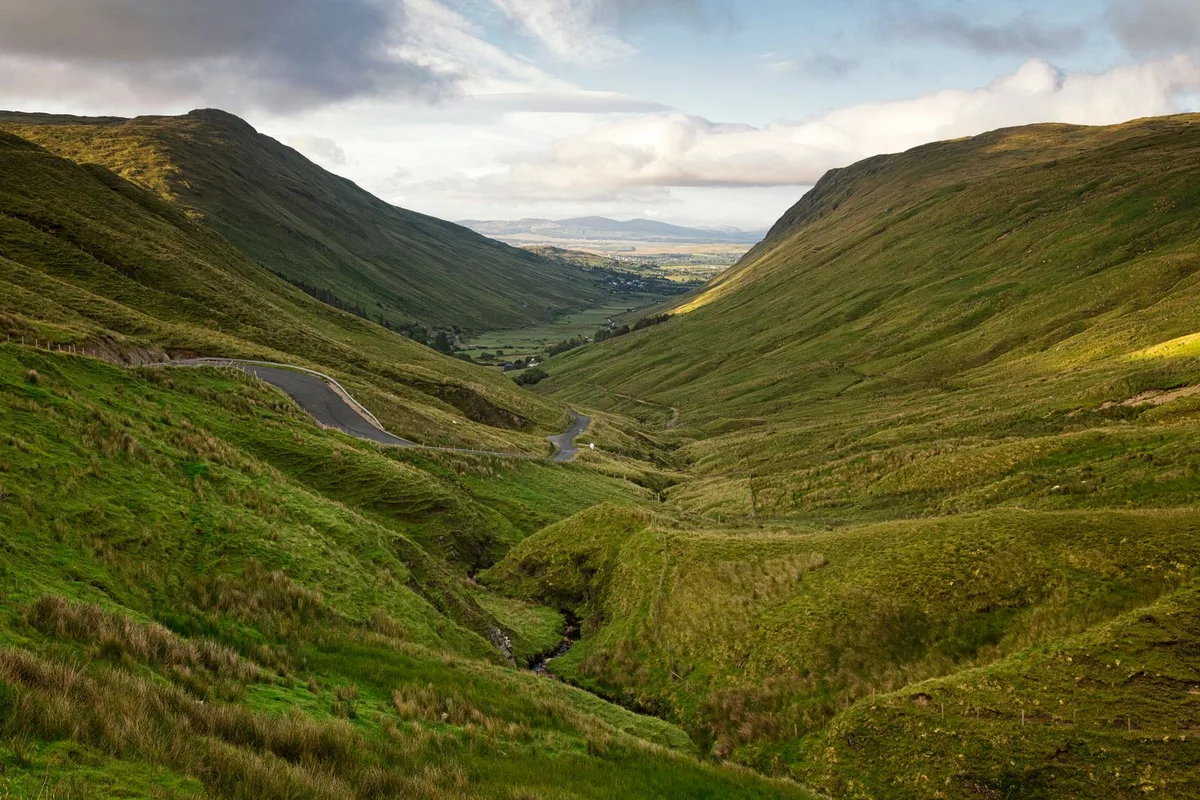
When it comes to understanding the essence of Ireland, nothing beats the thrill of a self-drive adventure. As you take in the lush green fields, majestic cliffs, and rugged coastlines, a stop at a local pub will immerse you deeper into the cultural identity of the region. This is precisely what Sonia Reynolds and Frances Duff, the founders of Stable of Ireland, experienced fifteen years ago when they began their quest to discover the country’s top weaving artisans.
Discovering Weaving Artisans
Traveling from the north to the south of Ireland, they encountered many artisans facing a significant challenge: the rapid decline of traditional weaving arts. "We met linen and wool weavers, and we were truly amazed by the quality and beauty of the fabrics they produced, alongside the deep history of weaving in Ireland," Reynolds shared.
They observed that the number of weaving artisans is dwindling, primarily due to competition from cheap imported fabrics, while the domestic customer base continues to shrink.
Stable of Ireland: Bringing Traditional Identity into Modernity
In 2014, Reynolds and Duff established Stable of Ireland, focusing on the traditional textile heritage of Ireland. Their inaugural collection was launched at a pop-up shop featuring unisex scarves made from Irish linen and handwoven fringed scarves by renowned Donegal artisan Eddie Doherty.
After two years, they opened a store at The Westbury Mall, close to the bustling Grafton Street in Dublin, offering a variety of products including colorful Irish linen scarves and handwoven tweed jackets. The shop serves not just as a retail space but also as an opportunity for customers to learn about the story behind each product.
Preserving Ireland's Weaving Heritage
Stable of Ireland is more than just a brand; they are dedicated to preserving the Irish textile industry by collaborating with artisans from remote areas. By the late 19th century, Ireland was the world's largest linen producer, but the rise of cheap factories and synthetic fabrics after World War II led to the decline of the local industry. Today, only a few linen manufacturers remain in Ireland, although the reputation of the fabric endures.
✈️ Tìm chuyến bay giá tốt
Đặt vé ngay với giá ưu đãi từ các hãng hàng không
Challenges and the Future of Weaving Arts
While the linen industry is slowly reviving, wool artisans continue to work quietly. Hand-knit sweaters featuring meaningful patterns and intricate Crios belts are still crafted in homes, preserving traditional skills.
A prime example is the Inis Meáin Knitting Company, which produces sweater collections distributed globally, including at Bergdorf Goodman in New York. They continue to create sweaters with unique patterns, affirming the vitality of traditional weaving arts.
Building a Future for Donegal Tweed
In Donegal, efforts are underway to protect tweed, a cultural icon of Ireland. This region boasts a significant number of tweed weavers, and they are in the final stages of achieving Protected Geographical Indication status from the EU. This will ensure that only tweed produced in Donegal can bear that name, safeguarding jobs for local artisans.
Quickly Seeking New Artisans
For Reynolds and Duff, the work never stops. They remain optimistic every time they set out to find new artisans. They are excited to see a new generation of weavers embracing traditional techniques. "The richness of creative talent in Ireland is truly astounding. The number of people learning craft skills in Ireland has significantly increased," Reynolds noted.
Useful Information for Vietnamese Travelers
If you're planning a trip to Ireland, here are some essential details to keep in mind. To enter the country, you can apply for a tourist visa valid for a maximum of 90 days, costing around 3 million VND. Flights from Vietnam to Dublin typically depart from either Hanoi (HAN) or Ho Chi Minh City (SGN), with prices ranging from 12 to 16 million VND, depending on the season. The ideal time to visit Ireland is from April to September when the weather is pleasant, perfect for exploring and experiencing the local culture.
Be sure to visit Stable of Ireland in Dublin to discover unique textile products and learn more about the rich weaving culture of Ireland.
This article is adapted from: Condé Nast Traveler
Phê Vé
Phê Vé is a leading online flight booking platform in Vietnam, providing accurate and up-to-date travel information. We are committed to delivering wonderful travel experiences with the best prices on the market.