
Phê Vé
April 28, 2026 • 3 min read
Discover must-have Japanese skincare products, along with their origins and tips for choosing the best for healthy, glowing skin.
Treasure from the Land of the Rising Sun
After returning from two weeks of exploring Japan, I couldn't resist packing an extra suitcase just for skincare products (and some irresistible Gachapon toys!). As a beauty editor with 15 years of experience, I've tried thousands of products, from professional retinoids to $500 serums. Among all these, nothing compares to the sophistication and effectiveness of Japanese cosmetics.
As soon as I landed in Tokyo, my first stop was a Japanese cosmetics store (a top priority, of course!). But you don’t have to spend hours searching, because the best skincare products in Japan are everywhere. From sleek flagship stores to Don Quijote supermarkets (often called Donki) and pharmacies like Matsumoto Kiyoshi and Cocokara Fine, Japan is truly a treasure trove of beauty.
Exploring the World of Japanese Skincare
Cosme stores, akin to Sephora, are particularly helpful as they compile skincare products based on user ratings, allowing you to see which items are currently trending and loved in Japan.
The great news is that most of these popular products are now available for online purchase—no need to hop on a plane!
What Makes Japanese Skincare Stand Out?
Unlike many Western skincare products that often focus on aggressive surface renewal and dramatic effects, Japanese skincare emphasizes maintaining resilient, soft skin. The skincare routine here includes double cleansing, using gentle serum-based products, and formulations designed to strengthen the skin's protective barrier rather than attacking it.
The History and Ingredients of Japanese Skincare
Japanese skincare is rooted in heritage, tradition, and a deep respect for the skin. Since the Heian period (794-1185), noblewomen have used rice water to soften and brighten their skin—a practice that can still be seen in modern skincare products featuring rice extracts.
✈️ Tìm chuyến bay giá tốt
Đặt vé ngay với giá ưu đãi từ các hãng hàng không
During the Edo period (1601-1868), geishas perfected the art of double cleansing to remove the heavy oshiroi makeup, laying the groundwork for a method that we now consider essential for the best skincare products, not just in Japan but globally.
My Favorite Products
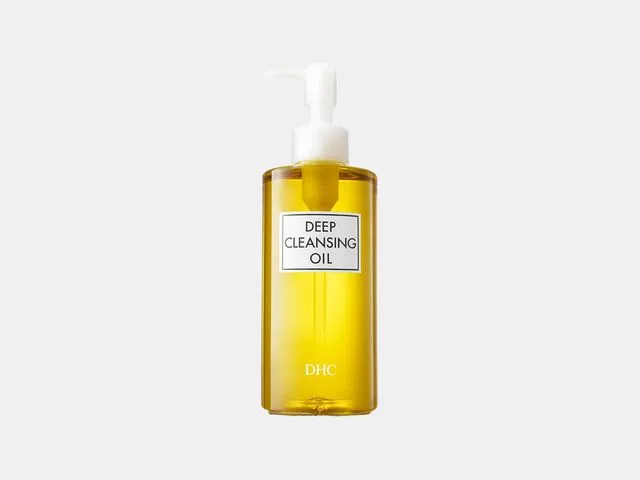
If you want to understand why double cleansing is effective, start here. This olive oil cleansing product melts away stubborn sunscreen and long-wear makeup in seconds without leaving any residue or stinging your eyes. It’s much lighter and more elegant than many Western cleansing oils—no greasiness, no cloudiness.
I always bring this back from Japan because it’s affordable and one of the best face washes on the market today.
Tips for Buying Japanese Cosmetics
For Vietnamese travelers, there are a few things to keep in mind when purchasing Japanese cosmetics. First, you may not need a visa for short trips under 15 days, but be sure to check the latest information from the Japanese Embassy.
Second, prices for skincare products in Japan range from 200,000 VND to 1,500,000 VND, depending on the type. Be sure to compare prices at different stores to get the best deal.
Finally, if you're flying from Vietnam, round-trip tickets to Tokyo typically range from 5 million to 10 million VND depending on the season. The ideal time to visit Japan is from March to May, during cherry blossom season, or from September to November, when the weather is most pleasant and beautiful.
Article referenced and edited from: Condé Nast Traveler
Phê Vé
Phê Vé is a leading online flight booking platform in Vietnam, providing accurate and up-to-date travel information. We are committed to delivering wonderful travel experiences with the best prices on the market.