
Phê Vé
April 5, 2026 • 3 min read
Recently, Park Hyatt Tokyo has made a noteworthy shift by reclassifying itself as a resort rather than a traditional hotel. In fact, this establishment stands out in Hyatt's portfolio, especially after completing a significant renovation.
```html
Park Hyatt Tokyo: From Hotel to Resort
Recently, Park Hyatt Tokyo has made a noteworthy shift by reclassifying itself as a resort rather than a traditional hotel. In fact, this establishment stands out in Hyatt's portfolio, especially after completing a significant renovation.
Typically, I've found Hyatt hotels in Japan take their commitment to providing perks for loyal customers very seriously, aligning with the country's culture. However, according to information from FlyerTalk, starting in April 2026, Park Hyatt Tokyo will officially be categorized as a resort, a fact that has been shared by several hotel staff members.
Moreover, this change is clearly reflected on the hotel's website — in the "Amenities" section, you’ll now see "Resort Property" listed as one of the hotel’s features (which wasn’t there just a week ago).
Spotting the Unusual Signs
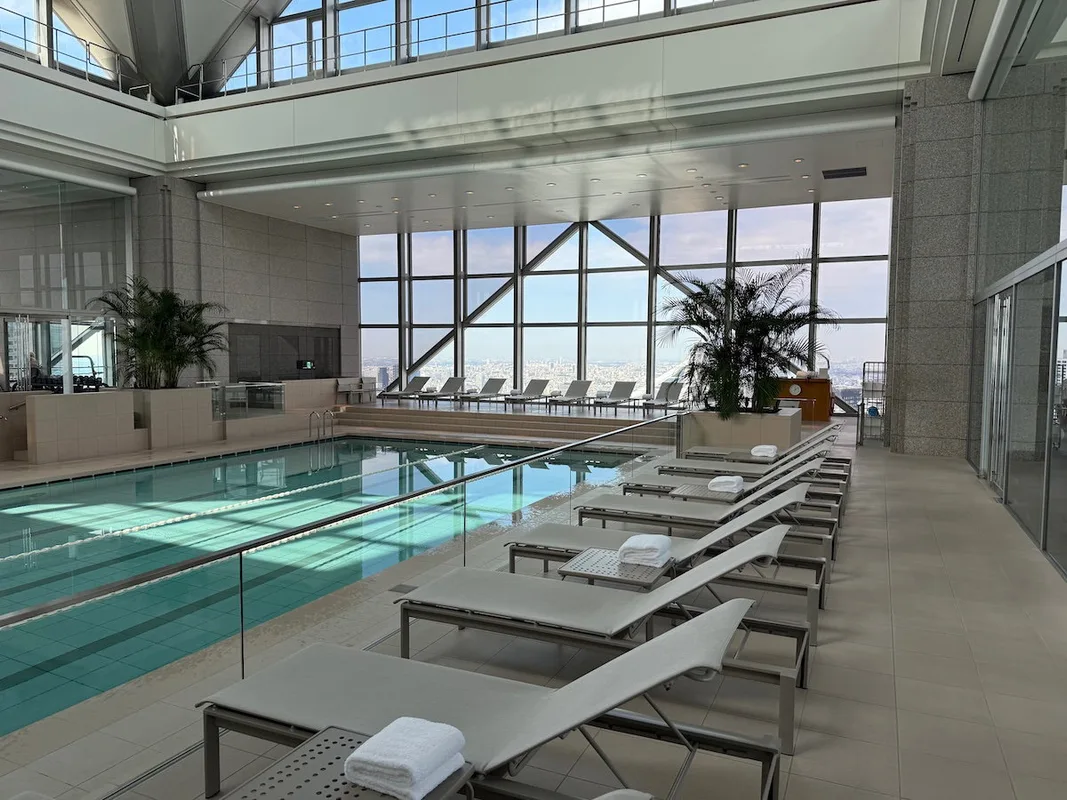
I truly find it perplexing that anyone would consider Park Hyatt Tokyo a resort. Although the hotel boasts a beautiful wellness area, it essentially remains a business hotel in the city. The fact that a hotel (not a resort) lacks a pool or a high-end gym is hard to accept.
✈️ Tìm chuyến bay giá tốt
Đặt vé ngay với giá ưu đãi từ các hãng hàng không
Could this reclassification be an attempt to avoid accommodating late check-outs for loyal customers? What advantages does the hotel gain by being regarded as a resort rather than a hotel? I believe the most significant difference is that a Globalist member of World of Hyatt would typically be guaranteed a late check-out until 4 PM at a hotel, while at a resort, this depends on availability.
When Regulations Become an Issue
Since this policy was implemented, it seems the hotel has started to exploit this to deny late check-outs, citing full occupancy as the reason. I wonder if the hotel is facing significant issues with late check-out benefits that complicate matters? I can imagine that this hotel has a very high rate of Globalist guests, and many might want to extend their stay, possibly through late check-outs.
If this happens frequently, it becomes difficult to manage expectations when you have to offer guests a check-out time that could be later than the check-in time for the same room. Regardless, I dislike the idea of hotels trying to sidestep rules in this manner, and I hope this isn't the start of a larger trend.
Summary of the Change
So, it seems that Park Hyatt Tokyo has begun to classify itself as a resort rather than a hotel. While the property has a lovely wellness area, I struggle to envision a reasonable definition that justifies this shift. I suspect this change is motivated by concerns over late check-out benefits for loyal customers… at least, that’s the only explanation I can think of.
What do you think about this transformation at Park Hyatt Tokyo? Does it make sense to you?
```Phê Vé
Phê Vé is a leading online flight booking platform in Vietnam, providing accurate and up-to-date travel information. We are committed to delivering wonderful travel experiences with the best prices on the market.