
Phê Vé
April 8, 2026 • 3 min read
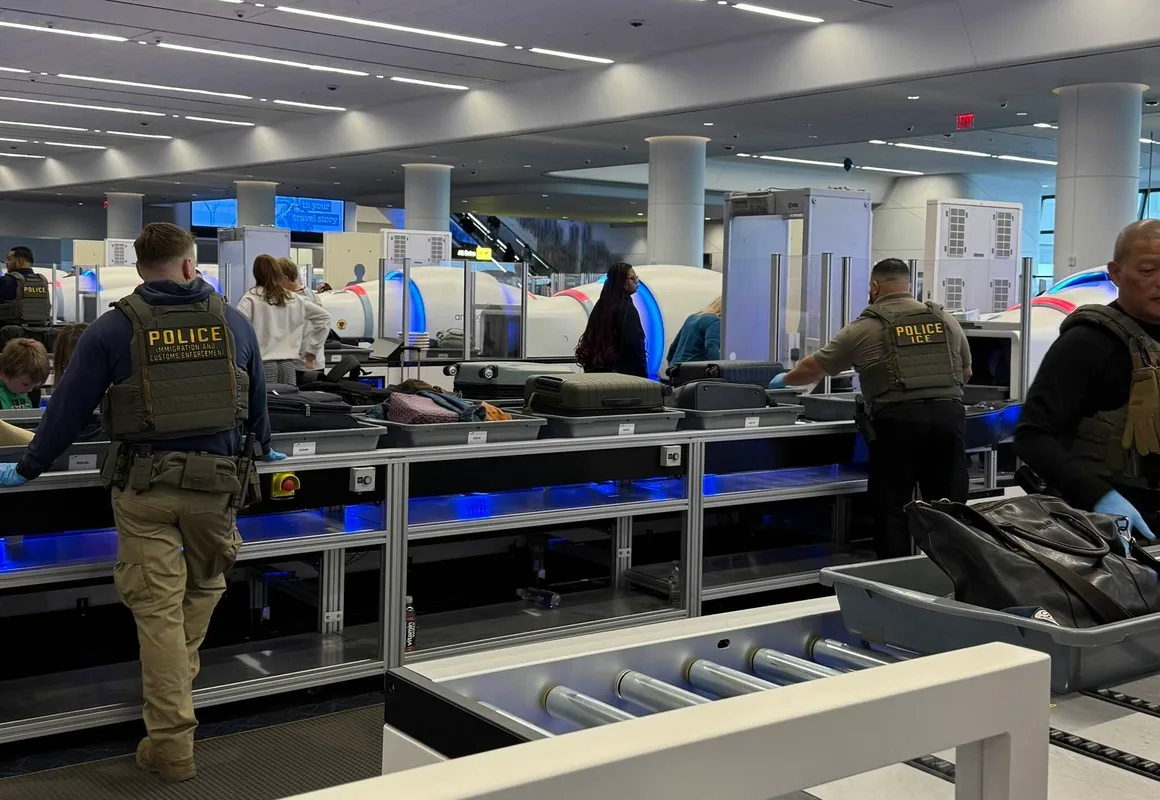
Airports are increasingly serving as centers for immigration enforcement, a concerning reality that many may not be aware of.
New Information on Airport Security
If you think that airport security checks in the U.S. are solely focused on ensuring the safety of flights, think again. In reality, this mission has quietly expanded into other areas.
TSA and ICE: A Troubling Relationship
According to a report from Reuters, the Transportation Security Administration (TSA) has been quietly sharing passenger data with the Immigration and Customs Enforcement (ICE), leading to over 800 arrests since President Donald Trump began his second term. The TSA, responsible for airport security checks, is now directly or indirectly involved in immigration law enforcement.
Misuse of Passenger Information
The report states that the TSA provided information on more than 31,000 travelers to ICE, allowing agents to identify when and where individuals would be traveling. This information was shared through the TSA's Secure Flight Program, which was originally intended for counter-terrorism purposes, not as a tool for immigration enforcement.
Transforming Airports into Enforcement Zones
We've seen signs of this shift in recent months, with ICE agents appearing at airports amid the Department of Homeland Security's budget crisis, supporting operations at these facilities. However, this situation was already unfolding before the government partially shut down. This is no longer just visible enforcement; it's the use of passenger data, collected for the purpose of ensuring "security," to facilitate immigration arrests.
The Risks of Data Misuse
While officials justify that this targets specific individuals, the larger issue is how that data is used. Passengers cannot “opt-in” to the TSA screening process in any meaningful way. If you want to fly, you must provide your identity and personal data, with no alternative option. That data is collected for a very specific purpose: to prevent terrorism and protect aircraft.
✈️ Tìm chuyến bay giá tốt
Đặt vé ngay với giá ưu đãi từ các hãng hàng không
An Imbalance of Power
The concern is that when data collected for one purpose can be repurposed for another, there are no limiting principles. Today it's immigration enforcement, but tomorrow it could be something entirely different.
Impact on Travel
There’s a practical consequence: a chilling effect on travel. If some passengers start to fear that simply boarding a domestic flight could lead to immigration enforcement, they may choose not to travel at all. What’s next? Passengers being arrested at TSA checkpoints for unpaid parking fines or income taxes?
What’s the Real Issue?
My concern isn’t about whether immigration laws should be enforced; that’s a separate debate (and the answer is yes, although with nuances). Instead, the question is whether airport security checks should simultaneously serve as tools for immigration enforcement.
Need for Greater Transparency
It seems this is happening without clear public awareness or debate. Policies that expand how the government uses personal data should not be enacted quietly. Airports are becoming focal points for immigration enforcement in ways that are just beginning to be revealed.
The Future of Airports
Turning security checks into a system for enforcing immigration laws marks an expansion of government power, primarily occurring without public scrutiny. Such changes often take root. The question is not just what this policy enables today, but what it will allow tomorrow.
Phê Vé
Phê Vé is a leading online flight booking platform in Vietnam, providing accurate and up-to-date travel information. We are committed to delivering wonderful travel experiences with the best prices on the market.