
Phê Vé
April 19, 2026 • 3 min read
Explore the potential merger between United Airlines and American Airlines, weighing the risks and benefits for travelers. Should this merger take place?
The State of Airline Mergers in the U.S.
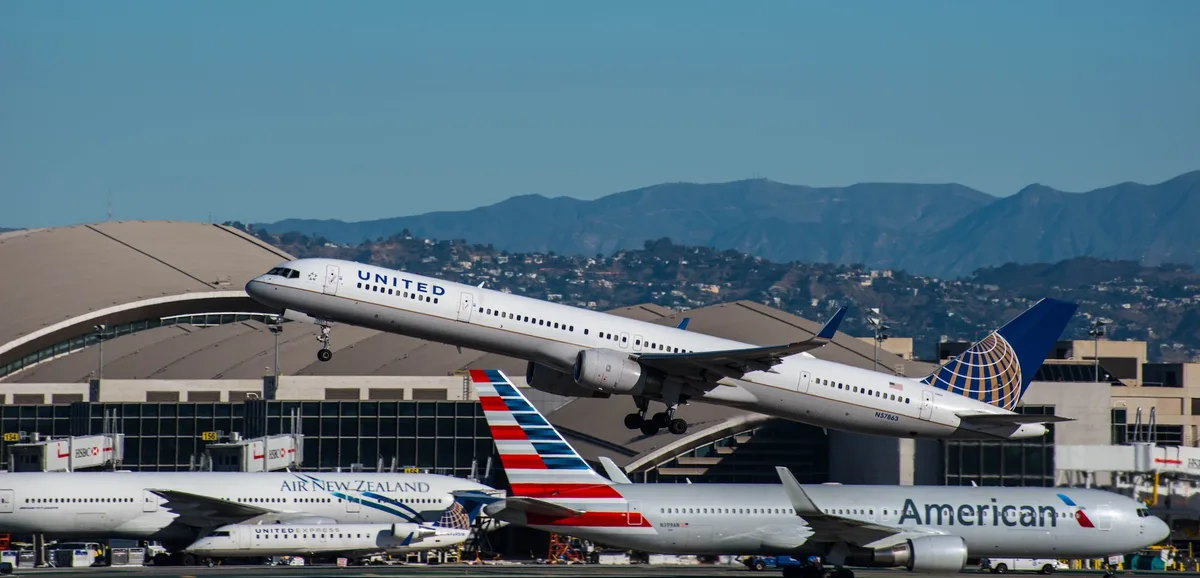
Recently, Scott Kirby, the CEO of United Airlines, made some surprising comments regarding a potential merger with American Airlines. While American has dismissed the idea, it has left many travelers feeling uneasy. United Airlines seems to be eyeing opportunities to capitalize on a weakening competitor, especially with a government that favors large-scale mergers.
Large mergers often do not benefit consumers; in fact, they can lead to reduced choices, increased ticket prices, and a less favorable customer service experience. Regulators will need to consider whether this would genuinely improve efficiency or merely manipulate the market under the guise of strategy.
Signs Supporting the Merger
There are reasons to consider such a merger, even if it may seem far-fetched. Currently, U.S. airlines have fewer seats available compared to foreign carriers on routes from New York (including Newark) to London. Domestic competition is also lacking compared to international airlines. For instance, on the New York to Paris route, Air France offers more seats than all U.S. airlines combined. Similarly, the Los Angeles to Tokyo route is predominantly served by foreign airlines like ZIPAIR.
To illustrate, here’s the flight schedule for April and summer 2026 from New York to Paris:
| Airline | Daily Flights | Approximate Seats |
|---|---|---|
| Air France | 8–11 | 2,200 – 3,000 |
| Delta Air Lines | 3 | 843 |
| United Airlines | 2 | 514 |
| American Airlines | 1 | 304 |
Potential Benefits of the Merger
However, a partnership between United and American could create a super airline with significant market power. If Delta were to merge with Alaska, and possibly JetBlue, we could end up with two major super airlines competing against each other.
✈️ Tìm chuyến bay giá tốt
Đặt vé ngay với giá ưu đãi từ các hãng hàng không
This combination could lead to cost savings by consolidating infrastructure and workforce, as well as improving service. Not only would this allow them to invest in their offerings, but it could also contribute to expanding and utilizing their fleet more efficiently.
Risks and Challenges
Despite the potential for increased competitive strength from this merger, there are numerous risks. A super airline may not meet the needs of the domestic airline market, and ticket prices could rise significantly. Especially for low-cost carriers like Southwest, competing with these giants could become increasingly difficult.
Statistics show that between 2008 and 2013, the number of major U.S. airlines decreased from six to three, but this consolidation did not benefit consumers. It’s likely that travelers would face higher fares and fewer options.
Useful Information for Vietnamese Travelers
If you're planning to fly from Vietnam to the U.S., keep in mind that major airlines like United and American Airlines offer flights from Hanoi (HAN) and Ho Chi Minh City (SGN) to major cities like New York, Los Angeles, and San Francisco. The best times to fly to the U.S. are in the fall (September to November) or early spring (March to May) when the weather is pleasant and fares are typically lower.
When traveling to the U.S., be sure to prepare your visa and check the USD exchange rate before your trip. Currently, 1 USD is approximately 23,500 VND. Ensure you have a solid financial plan to make the most of your exciting destinations in the country.
Finally, stay updated on airline information before booking your tickets, as changes in the airline industry can impact fare prices and flight schedules.
Article referenced and edited from: Live and Let's Fly
Phê Vé
Phê Vé is a leading online flight booking platform in Vietnam, providing accurate and up-to-date travel information. We are committed to delivering wonderful travel experiences with the best prices on the market.