
Phê Vé
May 13, 2026 • 3 min read
Discover the reasons behind Delta Air Lines' decision to forgo Starlink for in-flight Wi-Fi, a choice that could lead to significant strategic errors.
The Wi-Fi Revolution in the Skies
We are currently witnessing a major shift in in-flight Wi-Fi connectivity, with more airlines opting for Starlink to provide fast and free internet access to passengers. While I'm not a huge fan of Elon Musk, I must acknowledge that Starlink is currently the best service available, offering incredibly high speeds. This truly is a game-changer in the aviation industry.
Delta's Surprising Decision
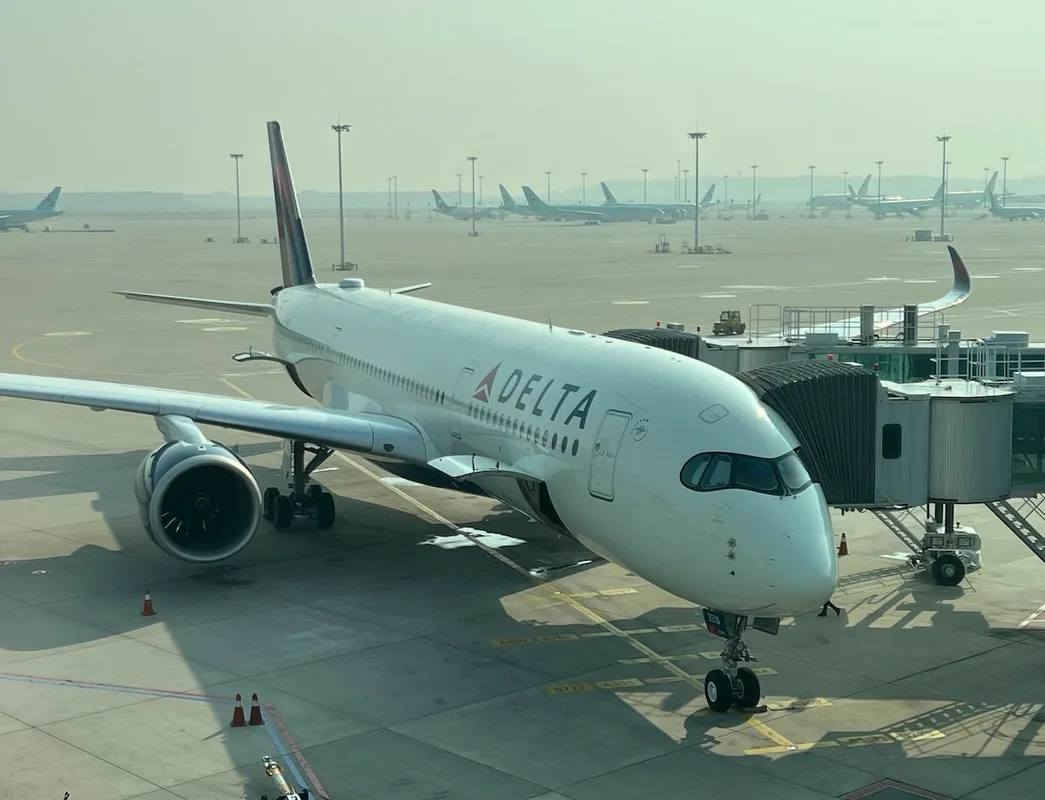
Recently, Delta Air Lines announced that it would use Amazon's Leo service for its in-flight Wi-Fi, a move that caught many by surprise. Reports suggest that Delta won't roll out this service until 2028, and only on 500 aircraft, which is roughly half of their fleet.
In contrast, United Airlines is rolling out Starlink Wi-Fi and aims to have it completed before the end of 2027. This means that United will have faster connectivity across its fleet before Delta can even install its new equipment.
Why Did Delta Skip Starlink?
Although Delta had discussions with SpaceX about implementing Starlink, the deal fell through. According to billionaire Ron Baron in a CNBC comment, the main reason was that Delta wanted to access Starlink under its own brand, which Starlink could not accept.
Starlink has strict regulations regarding how its service is used, including that access must be free and branded with Starlink's name. Meanwhile, Delta insists that everything related to connectivity and entertainment must fall under the Delta Sync brand, provided through their own portal.
✈️ Tìm chuyến bay giá tốt
Đặt vé ngay với giá ưu đãi từ các hãng hàng không
The Risks Behind This Decision
By passing on Starlink, Delta may be making a significant strategic blunder. Currently, Delta has an advantage over United in terms of Wi-Fi, but that situation could change rapidly. In less than two years, Delta could find itself in the same position United faced previously, offering a product that lacks competitiveness.
Additionally, Delta's plans rely on no delays with Amazon's Leo service, which poses a significant risk since there is no specific timeline for the rollout.
The Competitive Landscape in Aviation
United's deployment of Starlink across all its aircraft will create an undeniable advantage in passenger experience. Many travelers who have used free Wi-Fi from Viasat have noted a stark difference when compared to Starlink. Consumer expectations for connectivity are evolving rapidly.
Helpful Information for Vietnamese Travelers
For Vietnamese travelers planning to fly with Delta, be aware that the airline still operates several routes to the U.S. and Europe, facing competition from United and other airlines. This means you have more options in terms of pricing and service. If in-flight Wi-Fi is important to you, consider your choices carefully before booking to ensure the best experience.
Conclusion
Delta's decision not to choose Starlink may turn out to be one of the strategic mistakes they will face in the near future. The reality is that delays in improving Wi-Fi services could leave them trailing behind in this highly competitive aviation market.
This article is based on and edited from: One Mile at a Time
Phê Vé
Phê Vé is a leading online flight booking platform in Vietnam, providing accurate and up-to-date travel information. We are committed to delivering wonderful travel experiences with the best prices on the market.