
Phê Vé
April 2, 2026 • 4 min read
The indigenous people of Brazil have been crafting alcoholic beverages from cassava for thousands of years. These beer-like drinks, known as cauim, caxiri, and tarubá, rely on fermentation, a crucial step since raw cassava contains chemicals that can convert to cyanide in the human body.
The Ancient Tradition of Tiquira
The indigenous people of Brazil have been crafting alcoholic beverages from cassava for thousands of years. These beer-like drinks, known as cauim, caxiri, and tarubá, rely on fermentation, a crucial step since raw cassava contains chemicals that can convert to cyanide in the human body.
Indigenous communities discovered that by adding a bit of human saliva and natural yeast, they could eliminate toxins and enhance the nutritional value of cassava. With the advent of distillation technology in the Munim River area (now part of Maranhão), locals began distilling alcoholic beverages from this versatile root.
The Birth of Tiquira
And thus, Tiquira was born. The name "tiquira" likely comes from the Tupi word "tykyre," meaning "to fall." Interestingly, this unique spirit is exclusive to one state in Brazil—Maranhão. Margot Stinglwagner, founder of the Guaaja Tiquira brand, the first modern producer of this spirit since 2016, shares, "This is a type of liquor that even many Brazilians are unaware of. Only a few have heard of tiquira—usually those who have visited Maranhão."
In recognition of its cultural significance, the state officially designated tiquira as part of its Intangible Cultural Heritage in September 2023.
Overcoming Challenges in Production
One reason tiquira remains less popular is that cachaça, a well-known Brazilian rum, is much easier to produce. Made from sugarcane, cachaça has readily available sugars for fermentation. "With cassava, you don’t have sugar," Stinglwagner explains. "You must convert carbohydrates into sugars before you can ferment and distill."
To achieve this, Guaaja Tiquira employs food enzymes instead of traditional human saliva. They also differ from many other producers by using whole cassava, while most tiquira makers rely on cassava flour (farinha de mandioca).
✈️ Tìm chuyến bay giá tốt
Đặt vé ngay với giá ưu đãi từ các hãng hàng không
Blending with Unique Traditions
"Most people make this liquor illegally," Stinglwagner laughs. "The state does nothing to prevent it." Beyond urban areas, tiquira is mainly a homemade product. Typically, those who produce tiquira do not separate the "heads" (the first drops during distillation, containing toxic alcohol) from the "tails" (the final liquid with lower alcohol content), resulting in a spirit that is often stronger and potentially more toxic.
Some even infuse marijuana into the liquor, creating an illicit concoction known as tiquiconha. People in Maranhão believe that after drinking tiquira, one should avoid water or bathing, as it may lead to dizziness or fainting. Zelinda Machado de Castro e Lima, a prominent chronicler of Maranhão's folklore, has documented many traditions surrounding this drink.
Distinctive Customs
One interesting custom involves piercing a cashew nut with a toothpick and soaking it in a glass of tiquira for several hours. Then, it’s sucked on like a liquor-infused candy. She also noted that coffee drinkers are advised to steer clear of tiquira, while coastal fishermen often use this spirit to disinfect wounds while working.
The Unique Color of Tiquira
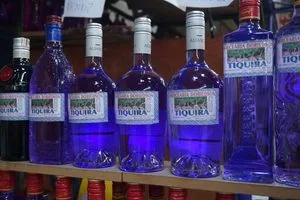
There’s an intriguing question about the color of tiquira. In tourist markets in São Luís, this drink often appears a translucent purple. "They say the color comes from tangerine leaves, but we tried making it, and the color from the leaves is unstable," Stinglwagner says. "This hue isn’t strong either. Regulations surrounding tiquira forbid the addition of leaves to the liquor."
The purple color might be artificial (possibly from food coloring), yet some types of tiquira still retain that distinctive tart flavor.
Tiquira: From Tradition to Modernity
Today, tiquira is still largely associated with the world of illicit alcohol production, but with government recognition and new legal brands like Guaaja Tiquira, it’s possible that cassava spirits will gain more recognition beyond their home state of Maranhão.
"Everyone asks me, ‘What is this liquid?’," Stinglwagner shares. "I reply, ‘This isn’t a new liquor; it’s the oldest liquor in Brazil.’"
Essential Information Before You Go
Tiquira can easily be found in central markets in São Luís, Maranhão. Both Mercado Central and Mercado das Tulhas feature numerous stalls selling tiquira. The Guaaja Tiquira brand is also available in São Luís at Empório Fribal, as well as at Copacabana Palace and Fairmont Hotel in Rio de Janeiro, and Mocotó Bar e Restaurante in São Paulo.
Phê Vé
Phê Vé is a leading online flight booking platform in Vietnam, providing accurate and up-to-date travel information. We are committed to delivering wonderful travel experiences with the best prices on the market.