
Phê Vé
April 4, 2026 • 4 min read
While I’m not a private pilot and don’t often discuss aviation matters, I recently came across an intriguing lawsuit from the Fifth Circuit Court of Appeals—Hardwick v. FAA. The court declined to review the FAA’s decision to temporarily suspend a pilot’s license, which sparked my interest in this ca
```html
A Fascinating Court Case in Aviation
While I’m not a private pilot and don’t often discuss aviation matters, I recently came across an intriguing lawsuit from the Fifth Circuit Court of Appeals—Hardwick v. FAA. The court declined to review the FAA’s decision to temporarily suspend a pilot’s license, which sparked my interest in this case.
Details of the Incident
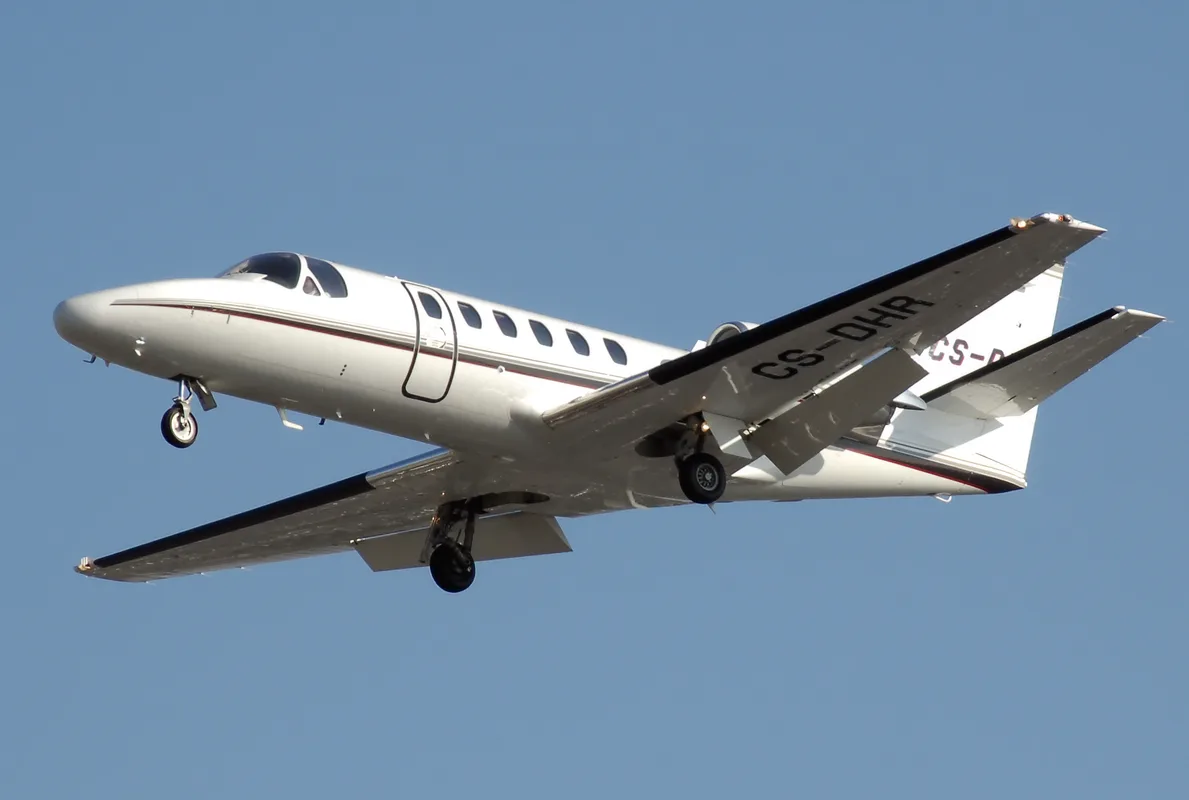
Michael King, the owner of a Cessna Citation 550, wanted to change the tail number from N550ME to N550MK to align it with the first letter of his name. The FAA approved this change and issued a special registration certificate for N550MK. However, when King attempted to obtain a flight certificate for the plane with the new tail number, the FAA denied the request, stating that the aircraft required further inspection.
King argued that the denial of the new flight certificate meant the registration defaulted back to N550ME. In a curious turn of events, another pilot had previously altered the tail number K to E using tape. Pilot Glen Hardwick was tasked with flying the plane from Pearland, Texas, to Wichita, Kansas, and back. The aircraft displayed the tail number N550ME, but the registration documents indicated N550MK, and the flight certificate was only valid for N550ME.
The Flight and FAA Inspection
Before the flight, Hardwick noticed the tape on the aircraft's tail number and questioned it. The owner explained that the FAA's refusal to issue a new flight certificate meant the tail number had “returned” to the old N550ME. Accepting this explanation, Hardwick proceeded with the flight to Wichita.
Upon arrival, FAA safety inspectors encountered the aircraft on the tarmac. Hardwick presented the current registration for N550MK, the old registration for N550ME, the special registration certificate for the change from ME to MK, and the old flight certificate for N550ME. The inspectors indicated that the FAA database also reflected N550MK as the current valid tail number, which did not match the number displayed on the aircraft.
✈️ Tìm chuyến bay giá tốt
Đặt vé ngay với giá ưu đãi từ các hãng hàng không
FAA's Strict Approach
The inspectors issued a situation notice, affirming that the aircraft displayed an incorrect tail number and lacked a valid flight certificate for its current registration. The notice warned that continuing to fly without rectifying the situation would violate FAA regulations and required a special flight certificate if not corrected.
Despite this, Hardwick flew the aircraft back to Pearland the same day, with the incorrect tail number still displayed and without a special permit. The FAA suspended Hardwick’s pilot license for 150 days due to violations related to registration and flight certification.
Appeal and Pilot's Arguments
Hardwick appealed to the NTSB, arguing that the suspension of his license was unreasonable and unfair. While pilots are responsible for operating their aircraft, he claimed he had relied on misleading information from the aircraft owner and the FAA regarding the tail number reverting to N550ME. He contended that the penalty was excessive, as it was merely a paperwork issue and did not pose a real safety threat.
Unfortunately, the NTSB did not agree with his argument, and Hardwick filed an appeal in court. Although he had reasonable grounds to trust the aircraft owner and the FAA's statements about reverting to the old tail number, he was aware of the paperwork issues and had seen the tail number altered with tape.
Paperwork Issues and the Importance of Flight Certification
The court also confirmed that the denial of a new flight certificate did not automatically revert the aircraft’s tail number. After the flight, the owner requested the FAA to change the tail number back from N550MK to N550ME, which would have been pointless if his request to revert the tail number had been valid.
The court acknowledged that an aircraft might be mechanically sound but still violate regulations. The FAA did not penalize the pilot for operating a technically problematic aircraft but for the aircraft's legal invalidity. This was not merely a harmless procedural error but a violation of flight certification.
Important Takeaways
This case clearly illustrates that a pilot cannot delegate the verification of registration and airworthiness to the aircraft owner if there are evident discrepancies. An aircraft may function well mechanically but still be legally invalid. And it is critical never to disregard written notices from inspectors that you receive before continuing to fly.
```Phê Vé
Phê Vé is a leading online flight booking platform in Vietnam, providing accurate and up-to-date travel information. We are committed to delivering wonderful travel experiences with the best prices on the market.