
Phê Vé
May 2, 2026 • 3 min read
The collapse of Spirit Airlines is not just disappointing for consumers but also raises significant questions about the future of competition in the airline industry.
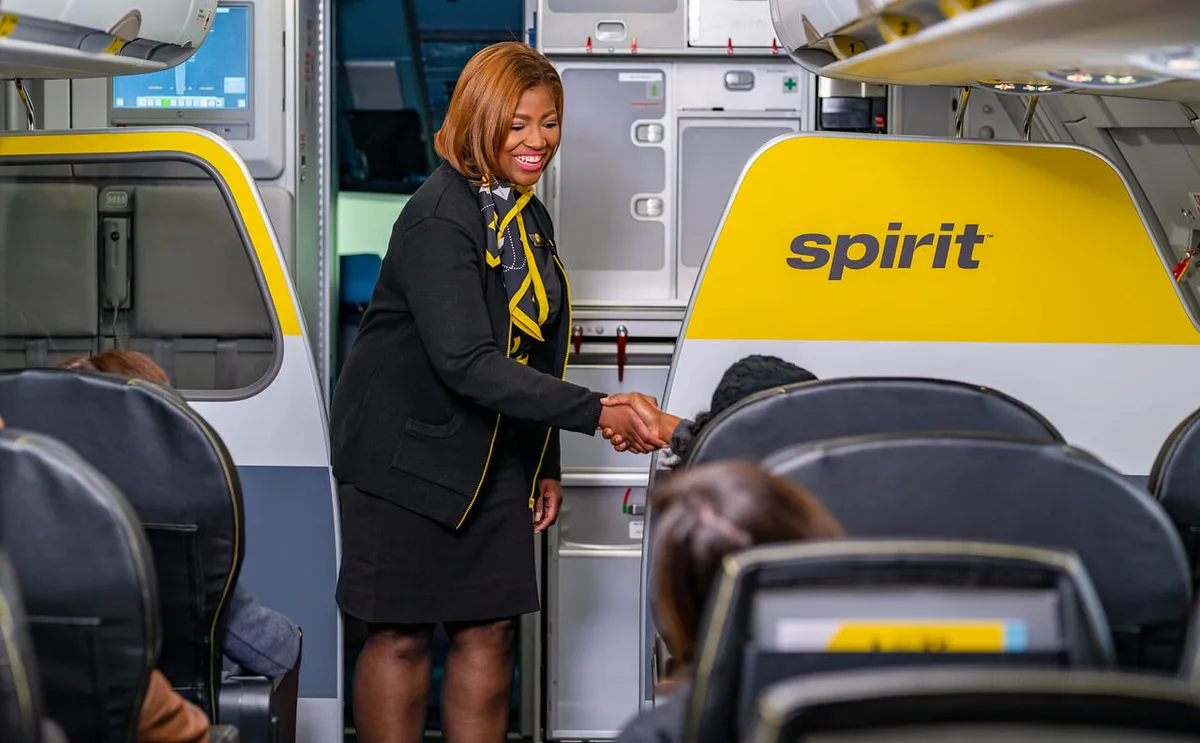
Spirit Airlines Faces Bankruptcy
Spirit Airlines has officially ceased operations, and this downfall starkly illustrates that blocking the merger with JetBlue did not protect consumers as many had hoped. While the failure cannot solely be attributed to a federal judge, Judge William Young's decision played a crucial role in this situation.
Judge Young's Ruling: Benefit or Harm to Consumers?
The bankruptcy of Spirit Airlines came after the airline failed to secure last-minute assistance. This raises questions about Judge Young's decision to prevent JetBlue from acquiring Spirit, arguing that maintaining Spirit as an independent airline would safeguard competition, particularly for price-sensitive passengers. However, the reality now shows that consumers have lost a low-cost option.
Market Reality
As many have pointed out before, this decision was based on an unrealistic theory regarding the viability of Spirit. The airline was not a stable business; it faced overwhelming debt and pressure from larger carriers. The court's reasoning implied that consumers would benefit more if Spirit remained independent, yet now they are left without this budget airline, which is quite ironic.
Implications for Vietnamese Consumers
For Vietnamese consumers, Spirit Airlines' shutdown is not just disappointing for those who favored budget travel, but it also raises questions about the future of other low-cost carriers worldwide. Vietnamese travelers can learn from this event to better understand the volatility of the airline market and how executive decisions impact their rights.
✈️ Tìm chuyến bay giá tốt
Đặt vé ngay với giá ưu đãi từ các hãng hàng không
Competitive Landscape
The collapse of Spirit means reduced competition. Other airlines will no longer face competitive pressure from Spirit, which could lead to higher ticket prices in the near future. Consumers might find themselves paying more for flights, with fewer options available. Statistics show that ticket prices often trend upward when a low-cost airline exits the market.
The Cost of Judge Young's Decision
While Judge Young may have saved JetBlue from financial troubles, his ruling led to a tragic end for Spirit. JetBlue, despite its challenges, could have been more resilient had the merger proceeded. In fact, not merging with Spirit might be a win for JetBlue but a significant loss for passengers.
What Comes Next?
The departure of Spirit Airlines serves as a wake-up call for the airline industry. Other airlines should learn from this failure to avoid repeating similar mistakes. Consumers need to be more vigilant about their choices and consider how airlines may impact pricing in the future.
Conclusion
In conclusion, Judge Young's decision blocked a merger that could have fostered greater competition, yet it ultimately led to the shutdown of Spirit Airlines. Consumers have gained nothing from this outcome, and other carriers are likely to raise fares soon. Investors and shareholders of Spirit must also bear responsibility for this failure. The story of Spirit Airlines serves as a lesson for all stakeholders in the aviation industry.
Article adapted and edited from: Live and Let's Fly
Phê Vé
Phê Vé is a leading online flight booking platform in Vietnam, providing accurate and up-to-date travel information. We are committed to delivering wonderful travel experiences with the best prices on the market.