
Phê Vé
May 2, 2026 • 3 min read
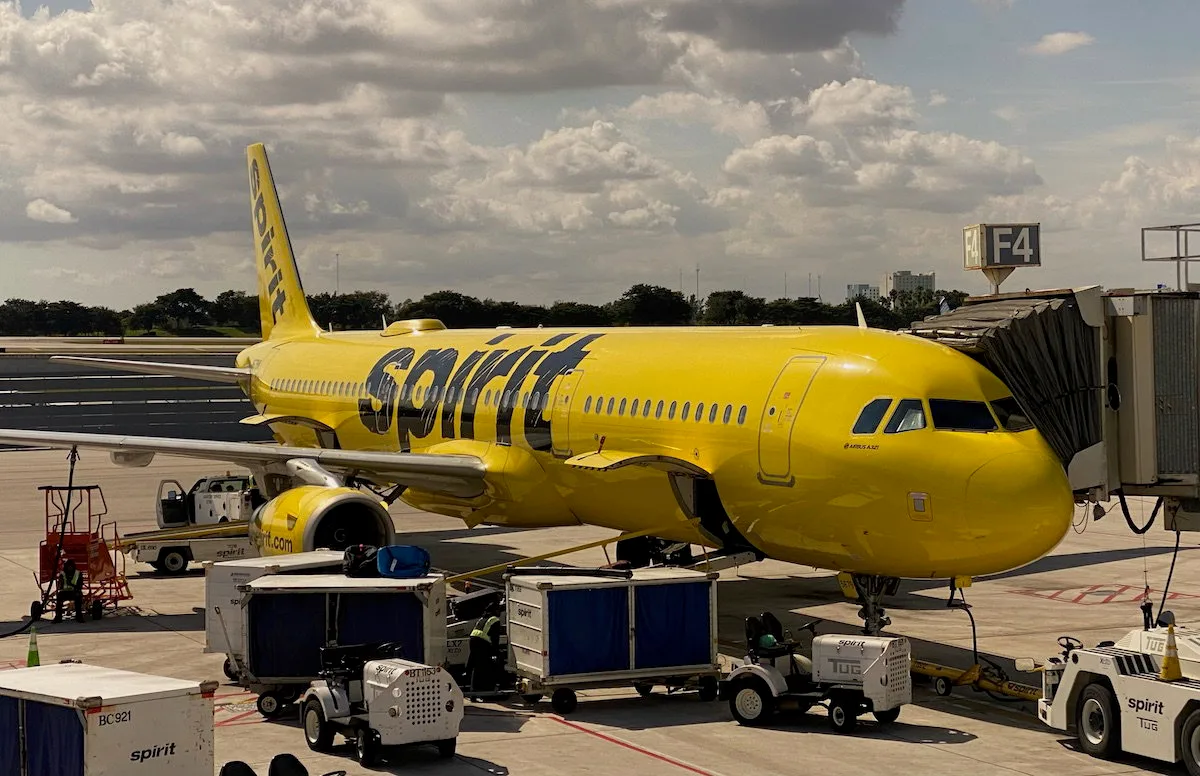
This post analyzes the reasons behind Spirit Airlines' failure compared to Ryanair's success, exploring various factors affecting the airline industry in the U.S. and Europe.
Introduction
Recently, Spirit Airlines has ceased operations, raising questions about why low-cost carriers in the U.S. struggle while international airlines like Ryanair flourish. While many attribute this disparity to the differing economic capabilities of the two regions, the reality is more complex. This article delves into the failure of Spirit and the success of Ryanair, examining the various factors influencing the airline industry in both the U.S. and Europe.
The Downfall of Spirit Airlines
Spirit Airlines has failed to turn a profit for the past seven years, burning through billions of dollars. The issue extends beyond just low ticket prices; it lies within the airline's business model. Spirit attempted to replicate the routes of traditional airlines but struggled to compete effectively.
Profit Margin Disparities Among Airlines
Ryanair stands out as one of the most profitable airlines in Europe, boasting better profit margins than many global competitors. So, what accounts for this difference? There are several key factors to consider.
Customer Programs & Credit Cards in the U.S.
The U.S. has a robust credit card industry that allows airlines to leverage loyalty programs effectively. This means that, rather than solely focusing on passenger transport, airlines like Delta and United benefit from revenues generated through credit cards and reward points. This model is challenging for low-cost carriers like Spirit, as customers often prefer to use their cards for upgrades to premium flights.
Differing Business Models Between the U.S. and Europe
In Europe, low-cost airlines tend to operate under a different model. For example, Ryanair primarily serves less competitive markets, avoiding routes dominated by traditional carriers. They are unafraid to fly directly to destinations that few airlines serve, thereby reducing airport costs and increasing profits.
✈️ Tìm chuyến bay giá tốt
Đặt vé ngay với giá ưu đãi từ các hãng hàng không
Operational Cost Differences
Ryanair's cost per seat is around 7 cents (USD), whereas Spirit's is at 12 cents. The crux of the issue is that Ryanair benefits from lower labor costs, spends less on passenger experience, and employs tough negotiation strategies with stakeholders. They only invest in what is absolutely necessary, while Spirit attempts to enhance services without the financial capability to do so.
Different Customer Bases
While U.S. customers tend to seek a better flying experience and are willing to pay for premium services, in Europe, low-cost airlines effectively cater to the demand for budget travel. Spirit has struggled to attract customers who don't require high-end services, unlike Ryanair.
Building a Sustainable Business Model
Some U.S. low-cost carriers, like Allegiant, have succeeded by focusing on underserved markets, avoiding direct competition with traditional airlines. This strategy allows them to maintain profitability without pressure from larger companies. They capitalize on travel needs between smaller cities that major airlines often overlook.
Conclusion and Key Takeaways
The failure of Spirit Airlines serves as a lesson for other U.S. airlines, illustrating that business models and market approaches significantly impact success or failure. Only those airlines that accurately tap into customer needs and adapt their models can thrive in the volatile airline industry.
With insights from European carriers, U.S. low-cost airlines may need to reevaluate their operations and seek new opportunities for growth.
Reference and edited from: One Mile at a Time
Phê Vé
Phê Vé is a leading online flight booking platform in Vietnam, providing accurate and up-to-date travel information. We are committed to delivering wonderful travel experiences with the best prices on the market.